
AMD FSR SDK
AMD FSR™ SDK v2.2 is the launchpad for our ML-based FSR "Redstone" rendering technologies, inc. AMD FSR Upscaling, Frame Generation, Ray Regeneration, and Radiance Caching.

Accelerates path-traced lighting
Accelerates path-traced lighting
AMD FSR™ Radiance Caching is a state-of-the-art illumination cache designed to work in tandem with Monte Carlo path tracing to boost rendering performance. At its core is an online machine learning model that continuously trains on complex, multi-bounce global illumination (GI) on-device and in real-time.
The result is richer, more immersive lighting environments that respond dynamically without the need for pre-computation or baking.
AMD FSR Radiance Caching delivers:
Supports:
AMD FSR Radiance Caching “Redstone” (0.9.0) technical preview release (as part of the AMD FSR SDK 2.1 release):
The AMD Software: Adrenalin Edition™ 25.12.1 driver is required to use the preview.
AMD FSR Radiance Caching fully leverages the power of machine learning (ML) by continually training on data generated by the path tracer. This combines the effectiveness of neural networks in representing complex signals with online adaptation that responds to changes in the scene in real-time.
Fully accounting for the multi-dimensional nature of light as it propagates and scatters allows the Radiance Cache to capture complex illumination effects from glossy-specular surfaces, layered BSDFs, and physically-based materials.
The FSR Radiance Cache detects hardware capabilities before it runs, auto-selecting the most performant model for the target device.
Gamers with AMD Radeon™ RX 9000 Series GPUs experience blazing-fast performance from optimized code designed to get the most from the latest generation of AMD hardware.
Radiance Caching is a complementary technique whose benefits stack up when combined with other tools in the rendering pipeline. In challenging lighting environments, the cache works to reduce residual Monte Carlo noise left by the path tracer, helping denoisers and upscalers do their jobs more effectively.
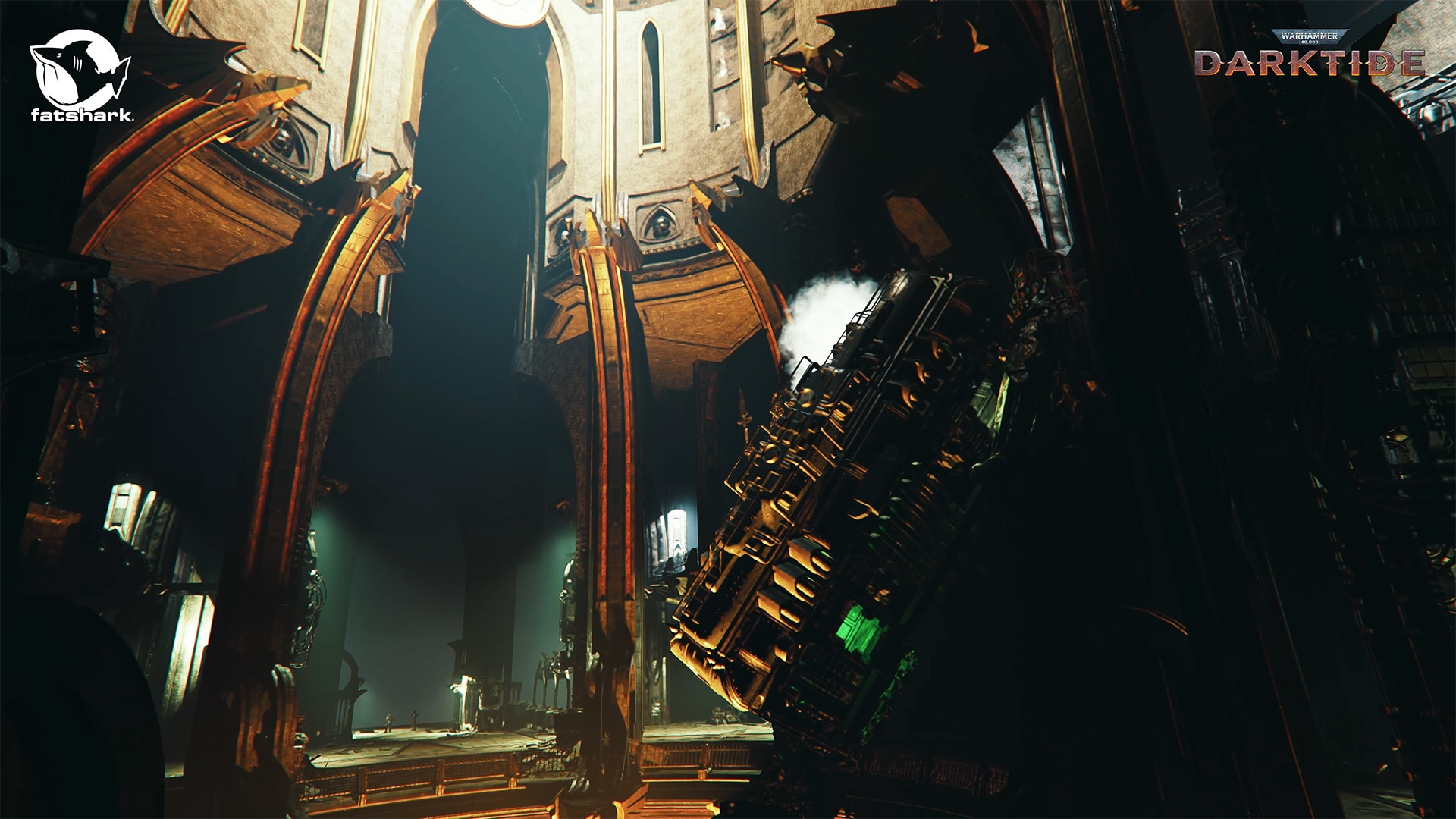
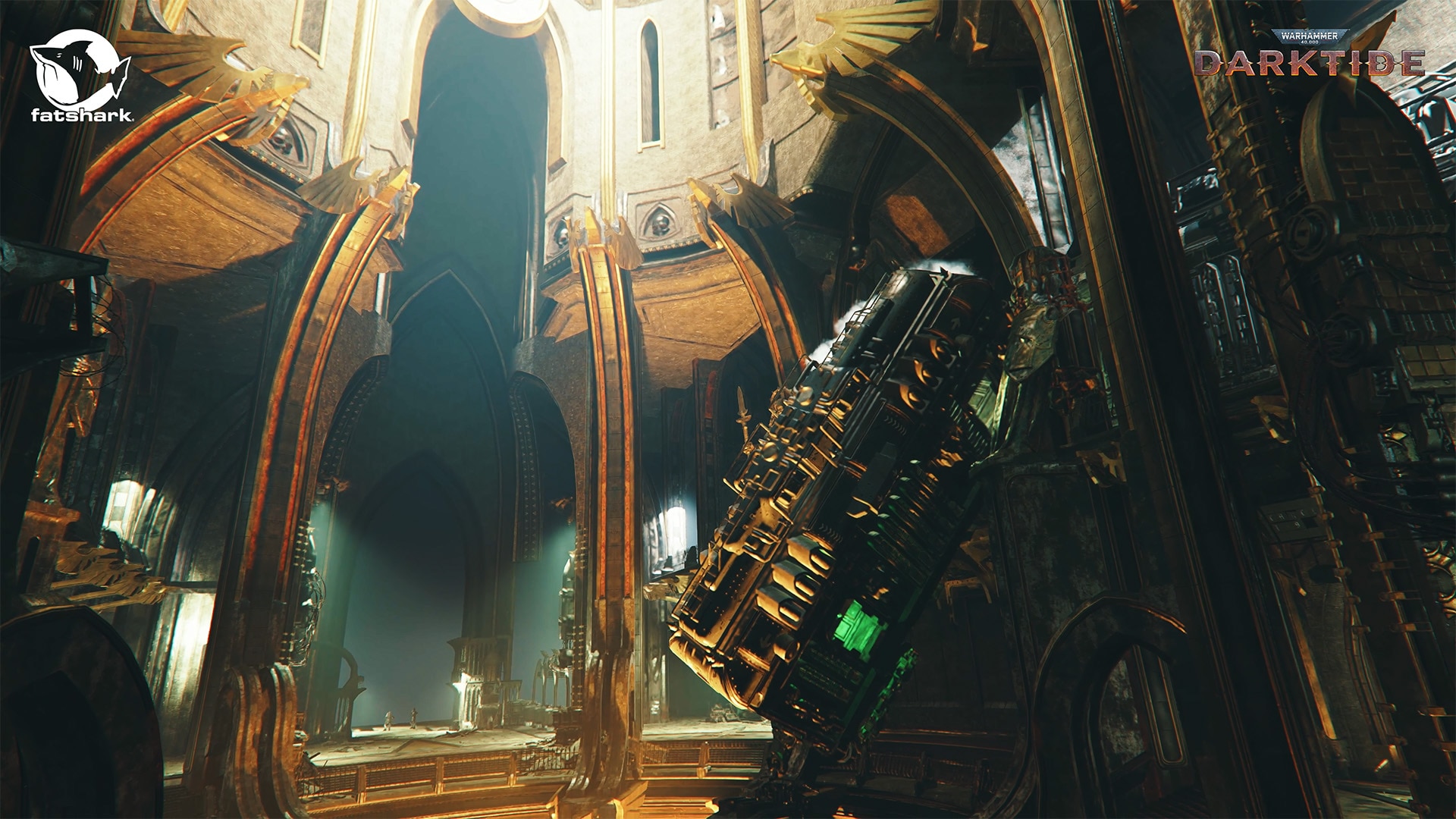
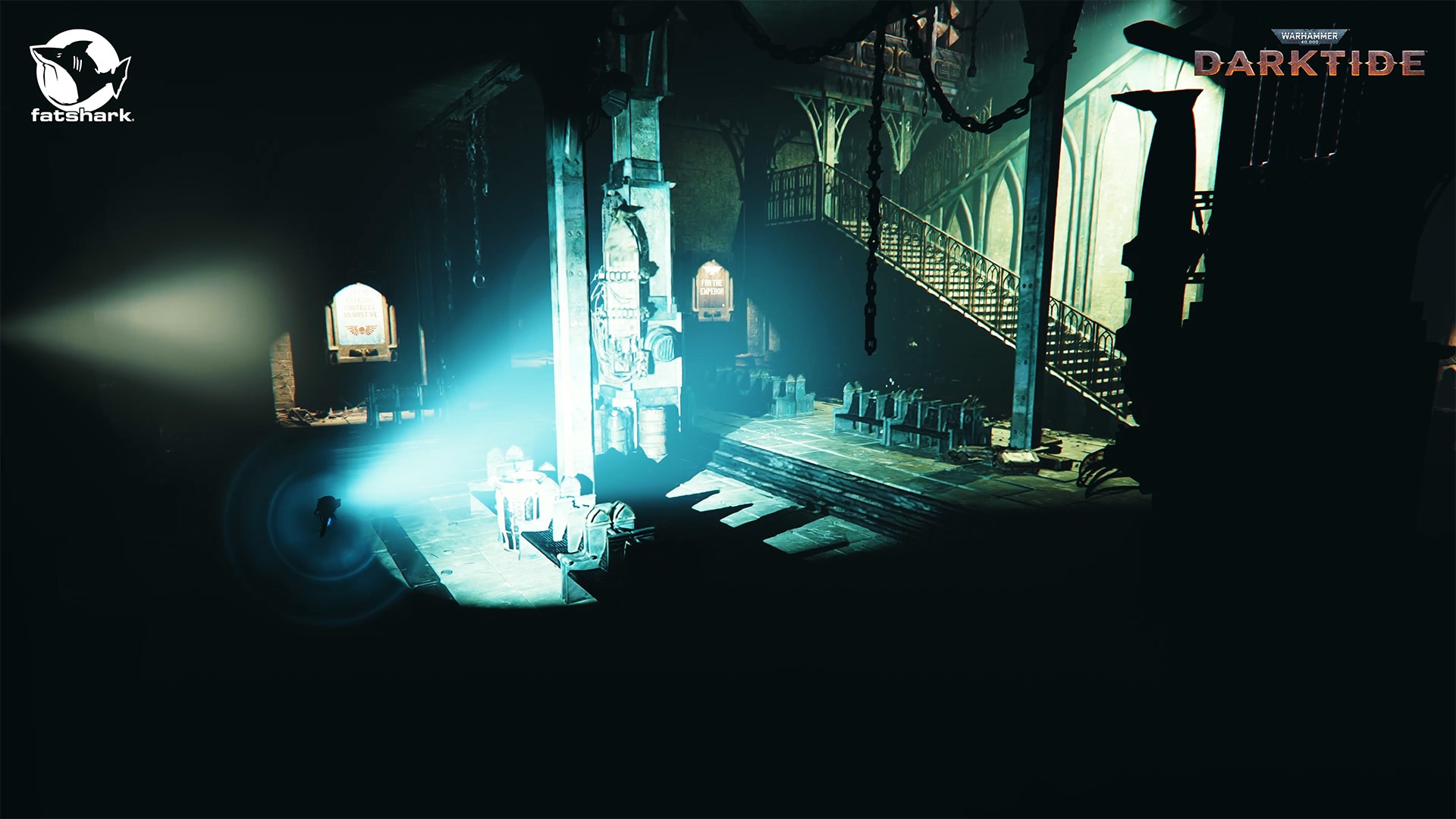
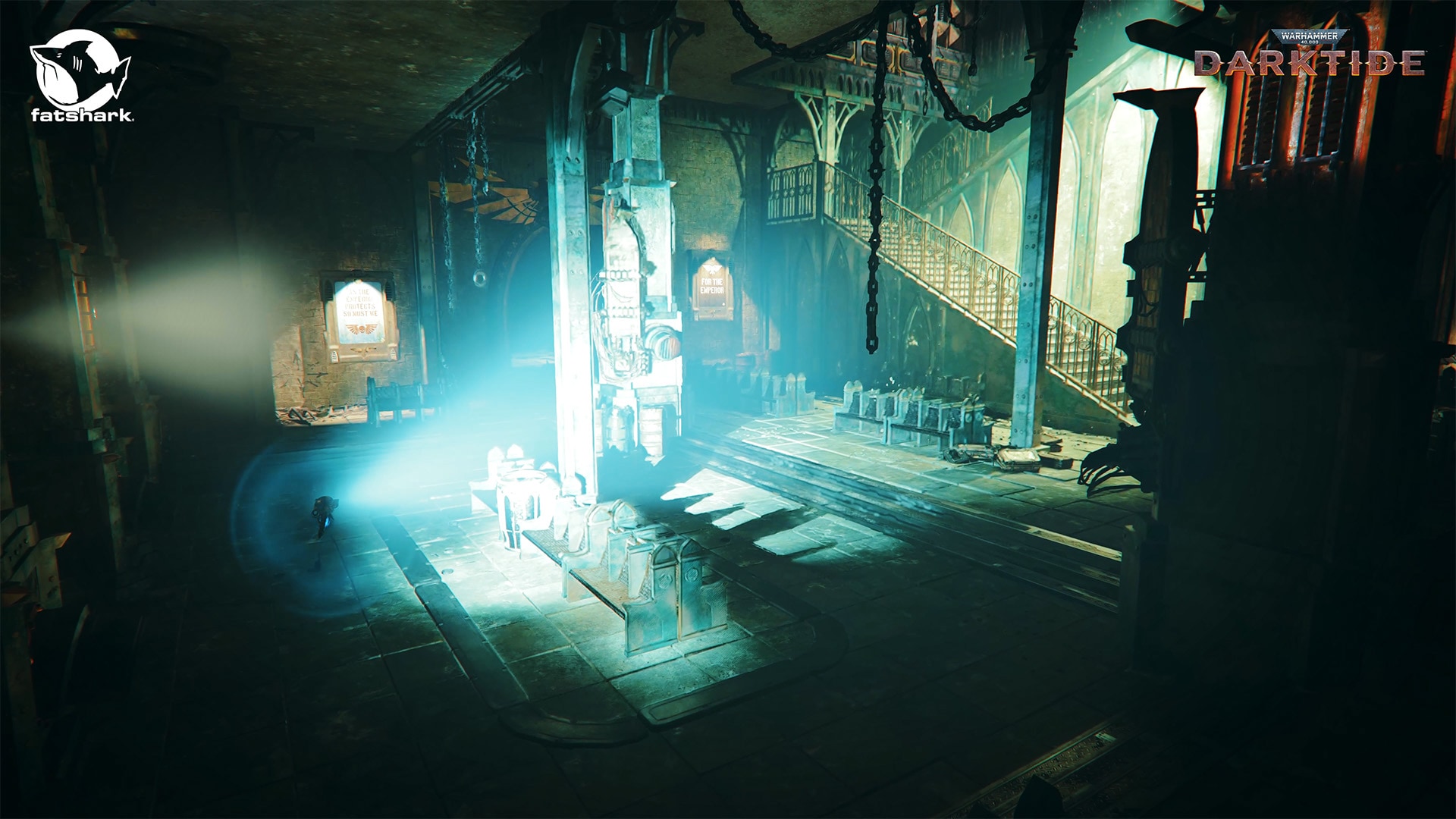
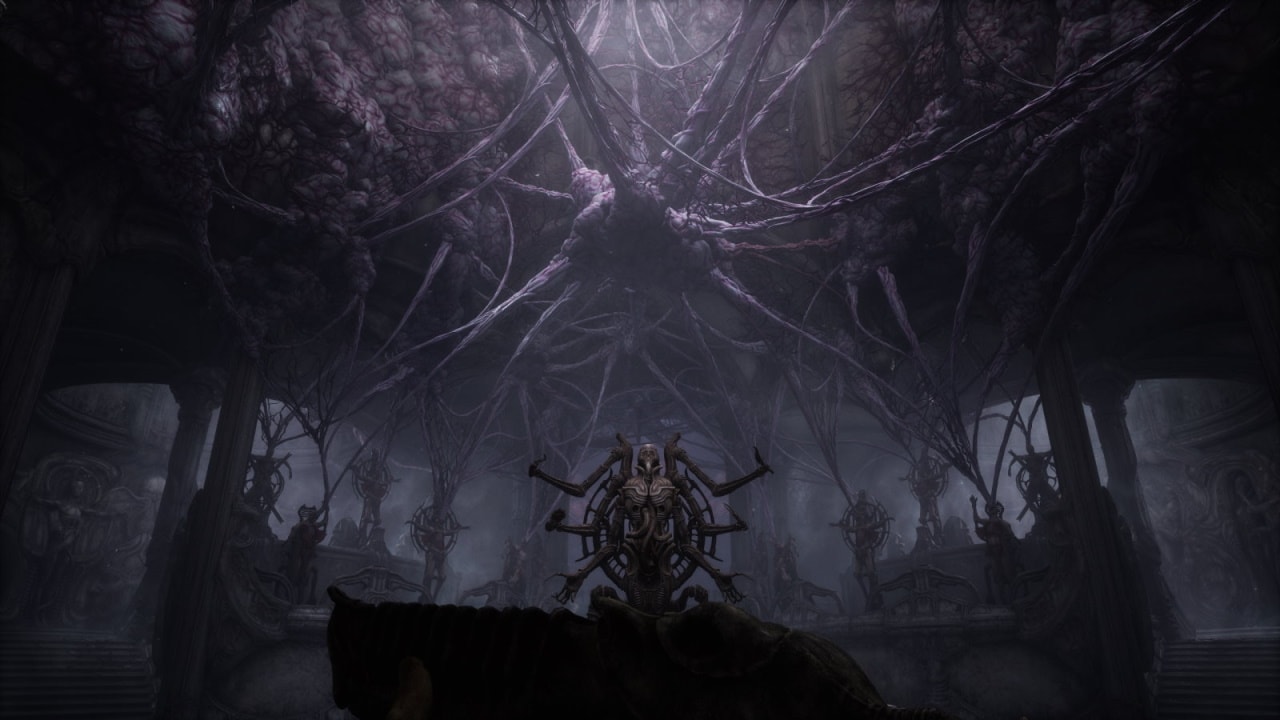
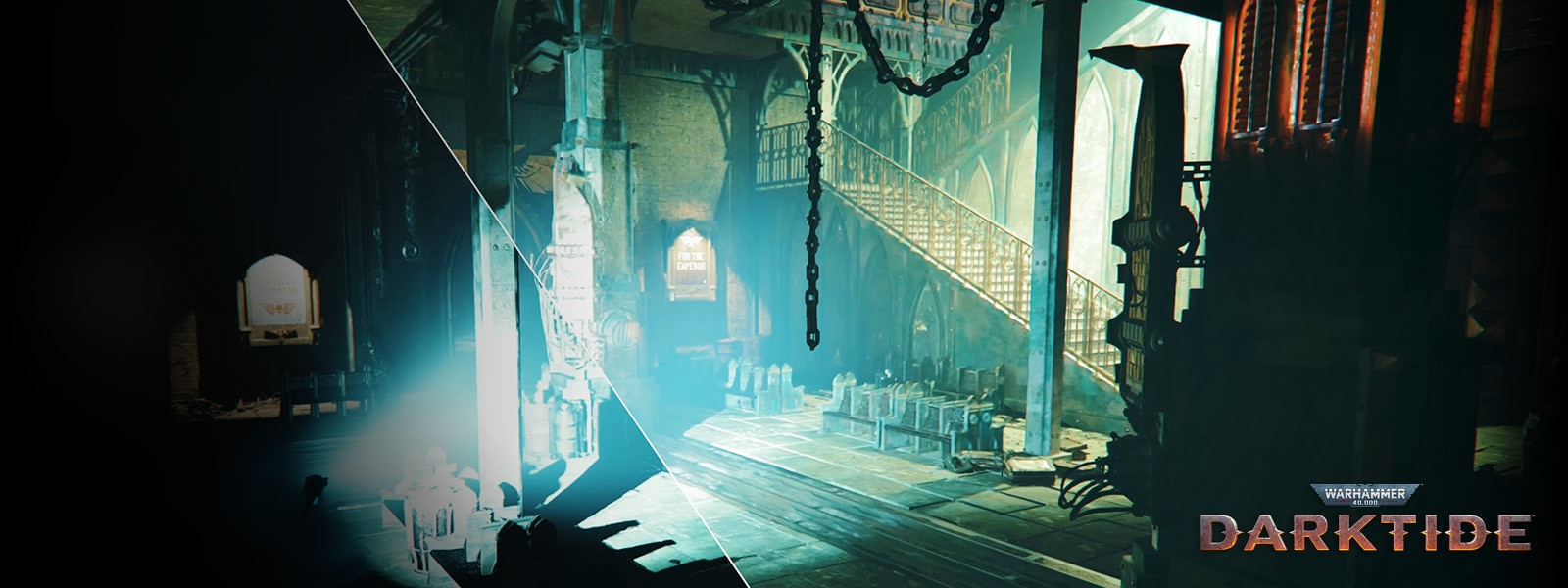
AMD FSR™ Radiance Caching is now available as a technical preview in the FSR “Redstone” SDK, allowing developers to evaluate and experiment with ML-powered radiance cahce technology on AMD RDNA™ 4 architecture graphics cards. You can see examples of FSR Radiance Caching in the images below, integrated into a Warhammer 40,000: Darktide Stingray game engine demo by Fatshark.
Warhammer 40,000: Darktide AMD FSR Radiance Caching demo examples
Supported GPUs
Supported graphics APIs
Supported OSs
Warhammer 40,000: Darktide © Copyright Games Workshop Limited 2022. Darktide, the Darktide logo, GW, Games Workshop, Space Marine, 40K, Warhammer, Warhammer 40,000, 40,000, the ‘Aquila’ Double-headed Eagle logo, and all associated logos, illustrations, images, names, creatures, races, vehicles, locations, weapons, characters, and the distinctive likeness thereof, are either ® or TM, and/or © Games Workshop Limited, variably registered around the world, and used under licence. All rights reserved to their respective owners.
DirectX and Windows are trademarks of the Microsoft group of companies.
AMD FSR Radiance Caching “Redstone” (0.9.0) technical preview release (as part of the AMD FSR SDK 2.1 release).