
AMD FSR SDK
AMD FSR™ SDK v2.3 is the launchpad for our ML-based FSR "Redstone" rendering technologies, inc. AMD FSR Upscaling, Frame Generation, Ray Regeneration, and Radiance Caching.

ML-powered frame interpolation
ML-powered frame interpolation
AMD FSR™ Frame Generation is an advanced frame-generating solution that leverages state-of-the-art machine learning (ML) algorithms to generate high-quality intermediate frames from two consecutive source images, interpolating the motion of pixels between the start and end images. The neural approach significantly reduces artifacts common in analytical interpolation such as ghosting and motion discontinuities.
Combined with AMD FSR Upscaling and AMD Radeon™ Anti-Lag 2, AMD FSR Frame Generation delivers a higher visual frame rate for ultra-smooth and low-latency gameplay on AMD RDNA™ 4 architecture graphics cards. An analytical version of FSR Frame Generation (previously AMD FSR 3) is also included for backward compatibility with RDNA 3.5, RDNA 3, and RDNA 2 architecture and older GPUs.
AMD FSR Frame Generation delivers:
Supports:
AMD FSR Frame Generation 4.0.1 “Redstone” patch release (as part of the AMD FSR SDK 2.3):
AMD FidelityFX™ Super Resolution Frame Generation (SwapChain) 3.1.7 patch release (as part of the AMD FSR SDK 2.3):
AMD FSR Frame Generation uses cutting-edge ML algorithms trained on AMD Instinct™ GPUs to generate high-quality intermediate frames using optical flow estimation and motion vectors. Inside the ML algorithm, we predict per-pixel motion and appearance, then blend that with motion vector reprojection to generate a new in-between frame. The model predicts the color of the generated frame, informed by both temporal context and motion information. The outcome is a new frame that is consistent with the previous and next frames, helping to maintain smooth motion without major artifacts.
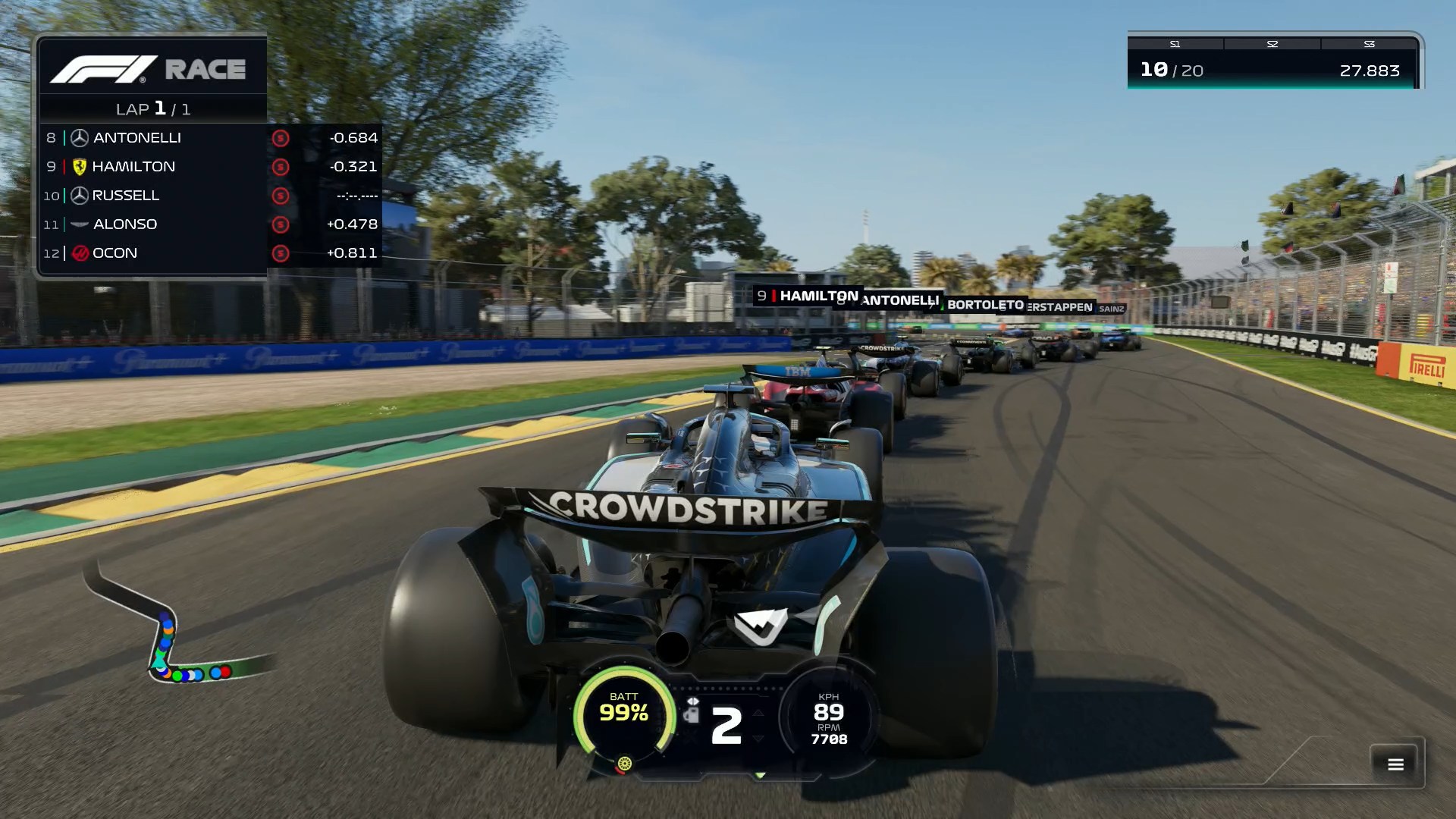
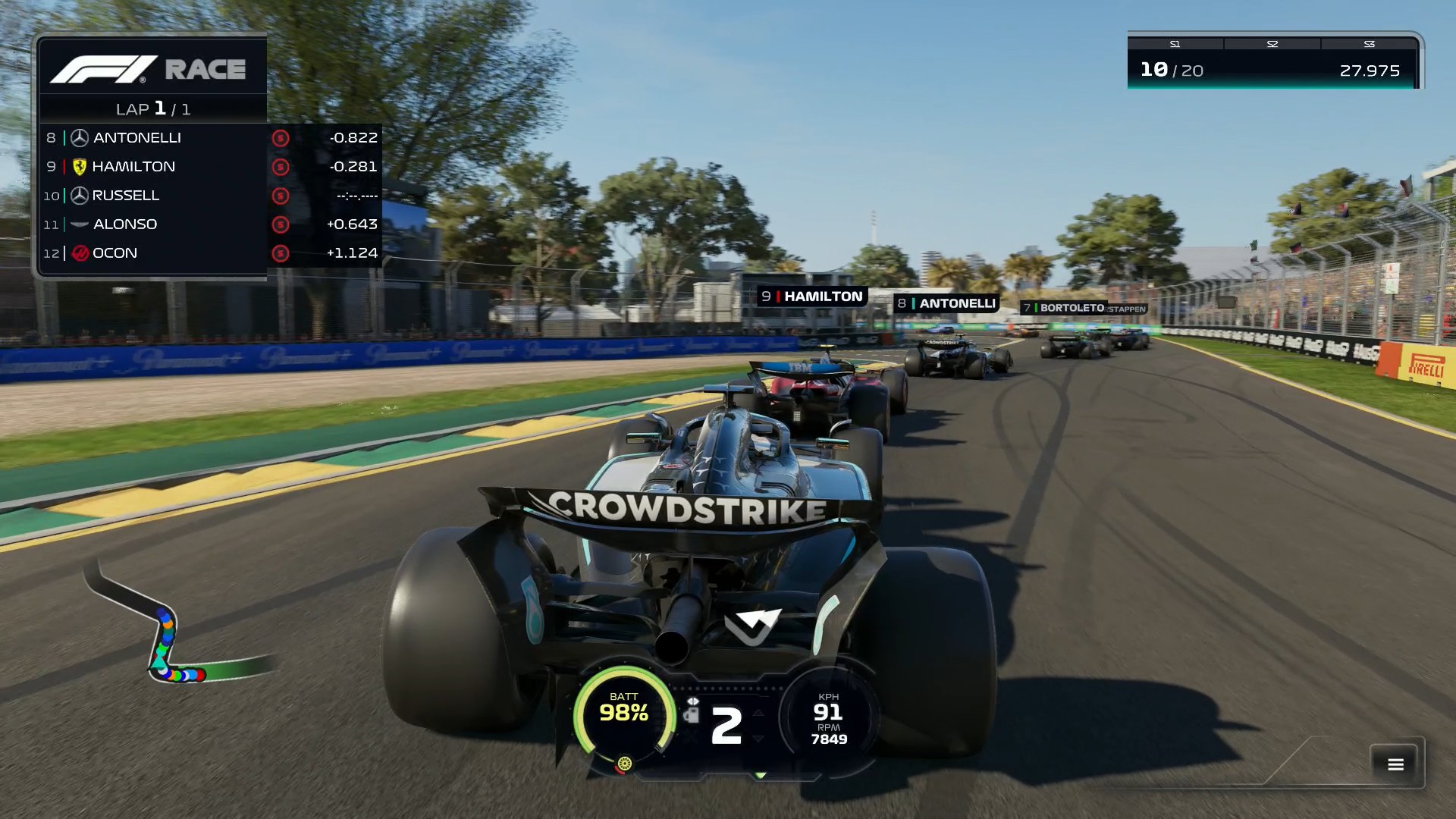
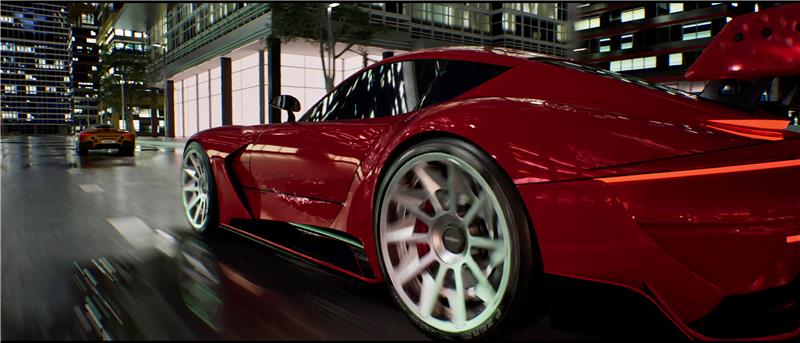
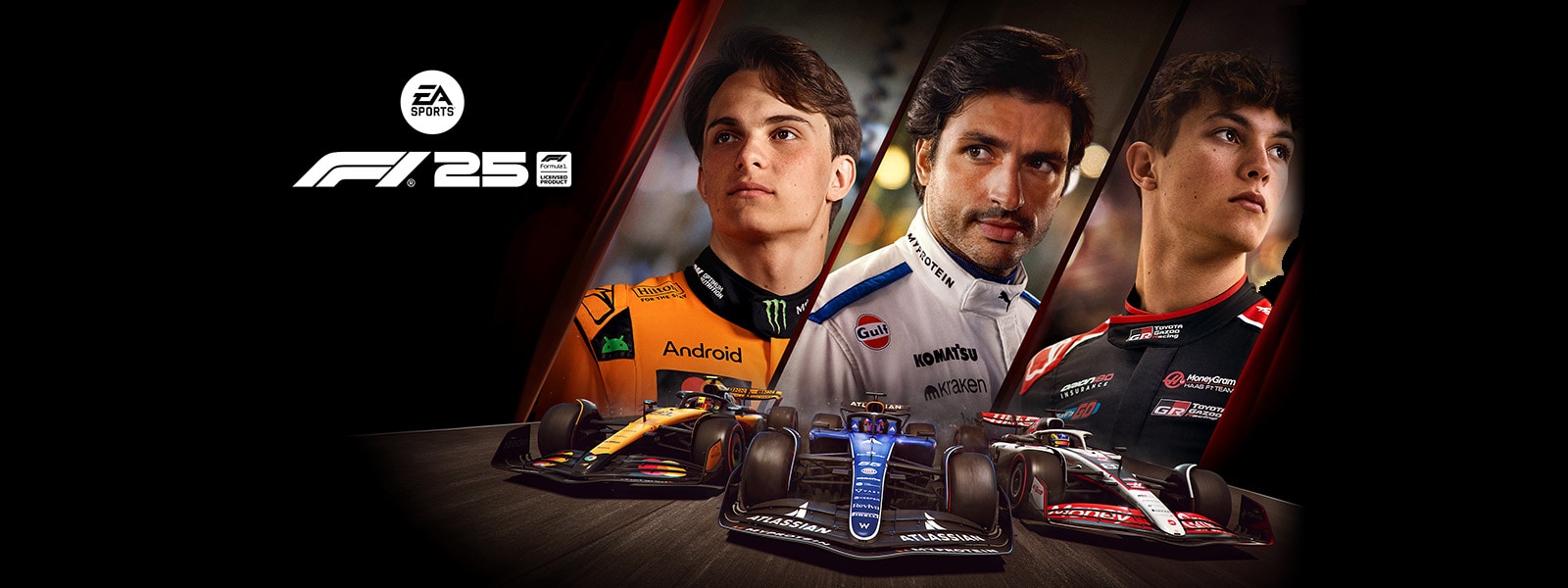
F1® 25 AMD FSR Frame Generation example
By generating intermediate frames, AMD FSR Frame Generation can effectively double your frame rate for ultra-smooth, ultra-responsive gaming. When combined with AMD FSR Upscaling and AMD Radeon Anti-Lag 2, you can achieve incredible performance without sacrificing visual quality on AMD Radeon RX 9000 Series graphics cards.
AMD FSR Frame Generation should be integrated using the FSR Frame Generation API (FidelityFX API). The integration follows a specific call order:
ffxConfigure.ffxDispatch with frame generation prepare parameters.ffxDispatch with frame generation parameters.AMD FSR Frame Generation requires camera position, up, right, and forward vectors to be provided. Failing to specify these fields or providing incorrect/low-precision values may result in incorrect rendering.
With AMD FSR Frame Generation, AMD Software: Adrenalin Edition™ can update the version of FSR Frame Generation used in-game to the latest version available. This ensures players experience the highest quality frame generation without requiring updates for each title.
Important: When calling AMD FSR Frame Generation functions with invalid data or out of order may result in incorrect rendering and prevents automatic driver upgrades.
For complete integration details, see our FSR Frame Generation API documentation and FSR Frame Generation Swapchain documentation.
AMD FSR Frame Generation is designed to work seamlessly with AMD FSR Upscaling and AMD Radeon Anti-Lag 2. Together, they deliver a massive increase in framerates while maintaining excellent visual quality and low end-to-end system latency.
AMD FSR Frame Generation is also compatible with third-party upscalers, as long as render-resolution motion vectors and depth in supported formats are provided to the API.
AMD FSR SDK 2.0+ (FidelityFX SDK) requires developers interact with the SDK using the amd_fidelityfx_loader.dll.
amd_fidelityfx_framegeneration.dll provides access to FSR Frame Generation.AMD FSR Frame Generation runs best when interpolating from a minimum of 60 fps pre-interpolation. While FSR Frame Generation can roughly double any input frame rate, going below 60 fps is not recommended as interpolation artifacts become more prominent at lower frame rates. Sub-30fps pre-interpolation should be absolutely avoided.
AMD FreeSync™ technology, NVIDIA G-SYNC®, and Adaptive Sync are all forms of Variable Refresh Rate (VRR) technologies. It is highly recommended that games implement a frame limiter to provide options to players who want a steady frame rate.
| VRR OFF | VRR ON | |
|---|---|---|
| V-Sync OFF | Tearing at all frame rates | Recommended if frame times vary. Some tearing may appear. |
| V-Sync ON | Tearing-free. FPS limited to integer multiple of max refresh. May cause “judder”. | Recommended if frame times are stable. Tearing-free at all FPS. |
AMD FSR Frame Generation requires unencumbered access to the swap chain for best frame pacing results. Third-party software that intercepts DXGI calls may cause frame pacing issues.
AMD OCAT has been validated to work correctly with AMD FSR Frame Generation.
AMD FSR Frame Generation delivers excellent performance on AMD Radeon RX 9000 Series GPUs:
| GPU | Target Resolution | Time |
|---|---|---|
| AMD Radeon RX 9070 XT | 3840×2160 (4K) | ~2.2ms |
| AMD Radeon RX 9060 XT | 2560×1440 (1440p) | ~2.1ms |
Memory figures are approximate, taken on a AMD Radeon RX 9070 XT GPU using DirectX 12. Does not include frame generation swapchain overheads.
| Output Resolution | Total Memory | Aliasable Memory |
|---|---|---|
| 3840×2160 (4K) | ~410 MB | ~360 MB |
| 2560×1440 (1440p) | ~313 MB | ~284 MB |
| 1920×1080 (1080p) | ~111 MB | ~90 MB |
Supported GPUs
Shading language
† CS_6_6 requires DirectX 12 Agility SDK 1.4.9 or later.
Supported graphics APIs
Supported OSs
E1: F1® 25 AMD FSR™ Frame Generation image comparisons performed on an AMD Radeon™ RX 9070 XT graphics card at 1920x1080, “Ultra High” graphics preset.
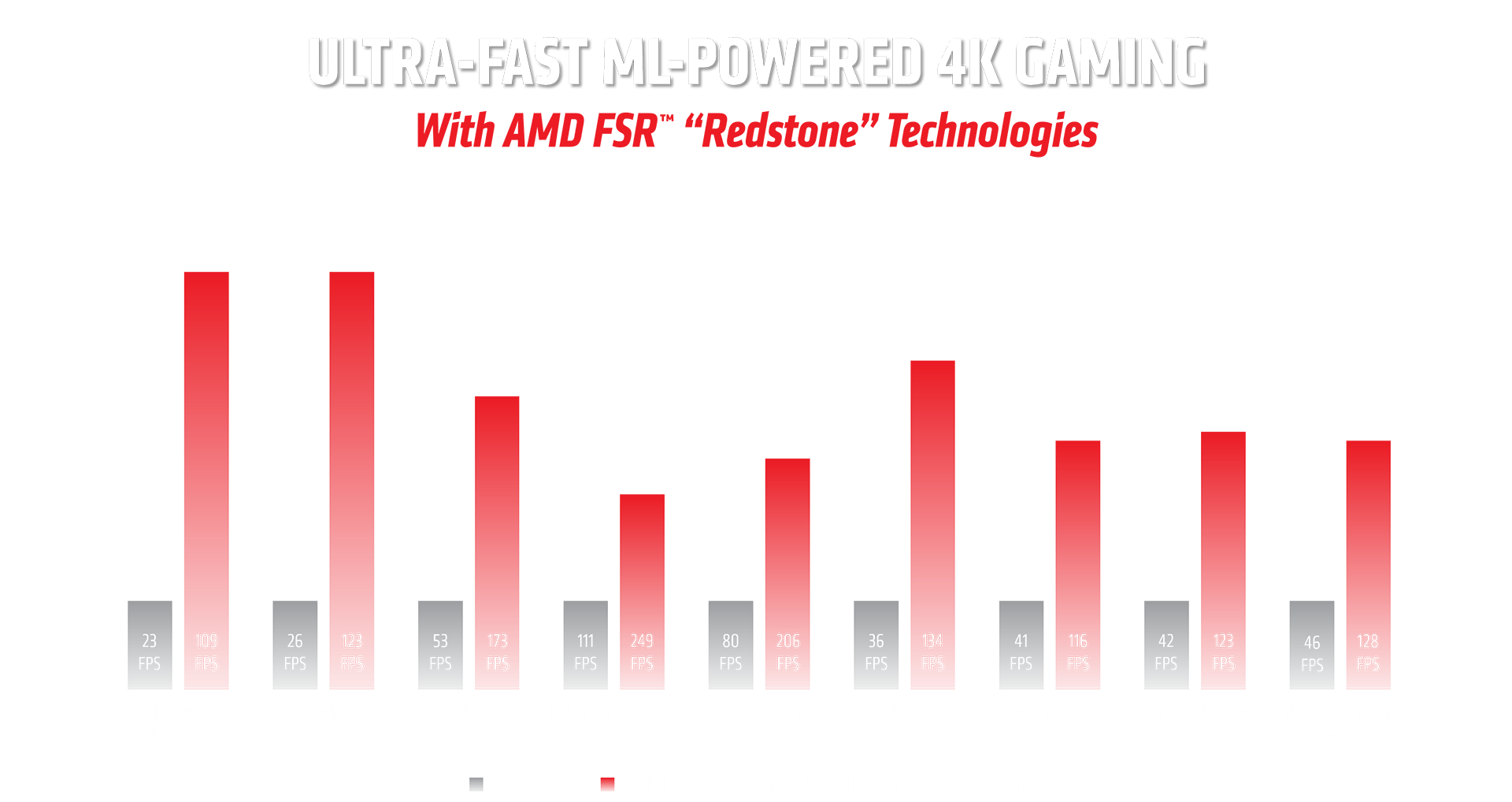
E2: RS-707: Testing by AMD as of November 2025 on the Sapphire Pure AMD Radeon™ RX 9070 XT, using an internal build of AMD Software: Adrenalin Edition driver and AMD FSR “Redstone”. Games compared running at 4K native vs. FSR Upscaling set to Performance Mode and FSR Frame Generation enabled. FSR Ray Regeneration enabled for Call of Duty: Black Ops 7 only. Test system configured with ASRock X870E Taichi motherboard, AMD Ryzen 7 9800X3D, 32GB DDR5-6000MHz memory, Windows 11 Pro 25H2 update. Games tested include Call of Duty: Black Ops 7 – Extreme preset, RT Reflections = high, Cyberpunk 2077 – RT Ultra preset, F1 25 – Ultra High preset, RT=high, God of War: Ragnarok – Ultra preset, Grand Theft Auto V – Maximum RT preset, Hell is Us – Ultra preset, Hogwarts Legacy - Ultra preset, RT=Ultra, Mafia: The Old Country – Epic preset, The Talos Principle: Reawakened – Ultra preset, RT=full. Performance is dependent on the AMD FSR Upscaling quality mode selected. AMD FSR “Redstone” is available on AMD Radeon™ RX 9000 Series graphics and is available in select games via AMD Software enablement when game has AMD FSR 3.1 integration for FSR Upscaling and AMD FSR 3.1.4 for FSR Frame Generation. System manufacturers may vary configurations, yielding different results. RS-707
F1® 25 Game - an official product of the FIA FORMULA ONE WORLD CHAMPIONSHIP. © 2025 Electronic Arts Inc. EA SPORTS and Codemasters are trademarks of Electronic Arts Inc.
DirectX and Windows are trademarks of the Microsoft group of companies.
Unreal® is a trademark or registered trademark of Epic Games, Inc. in the United States of America and elsewhere.
Patch release of AMD FSR™ Frame Generation as part of the AMD FSR SDK 2.3:
Patch release of AMD FidelityFX™ Super Resolution Frame Generation (SwapChain) as part of the AMD FSR SDK 2.3: