
AMD FSR SDK
AMD FSR™ SDK v2.3 is the launchpad for our ML-based FSR "Redstone" rendering technologies, inc. AMD FSR Upscaling, Frame Generation, Ray Regeneration, and Radiance Caching.


Neural rendering is transforming real-time graphics, and the AMD FSR™ “Redstone” SDK puts these capabilities directly in your hands. It combines machine learning (ML) with analytical fallback techniques to unlock new possibilities in upscaling, frame generation, ray tracing denoising, and lighting. By integrating FSR features into your games you can deliver enhanced performance and visual quality that scales seamlessly across the entire AMD ecosystem, supporting millions of gamers across handheld gaming devices, game consoles, and PCs with a single implementation.
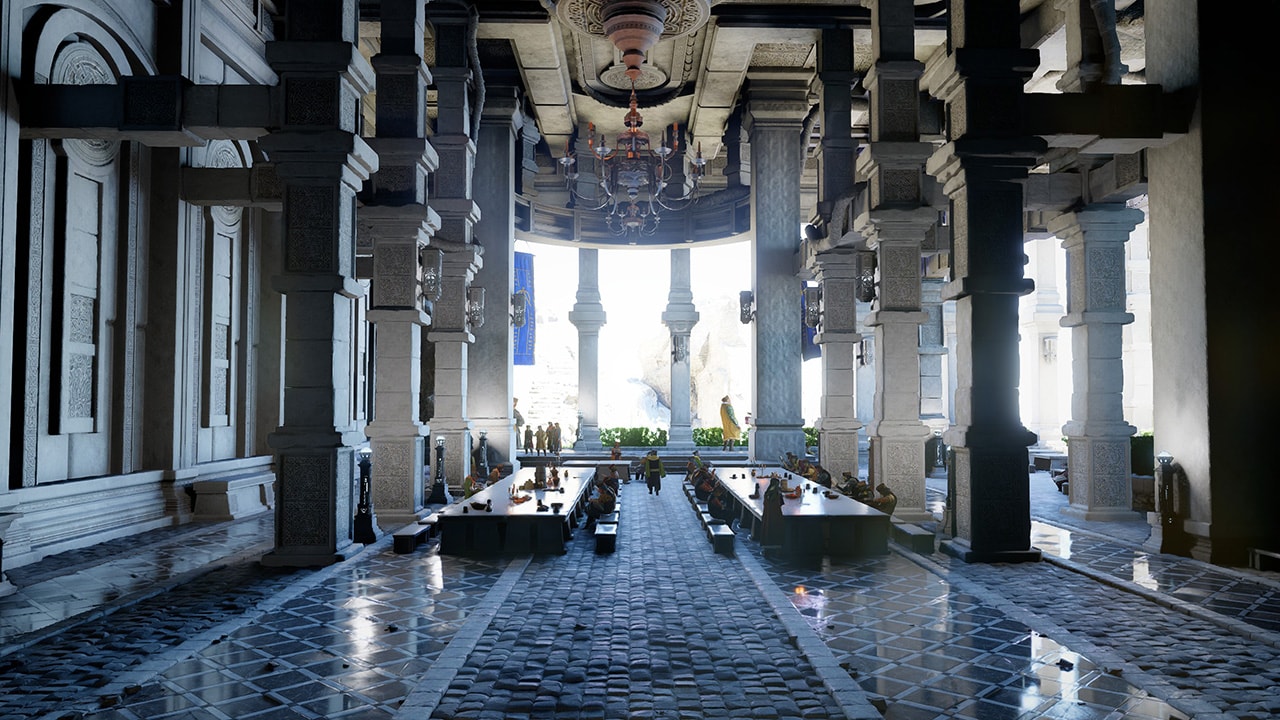
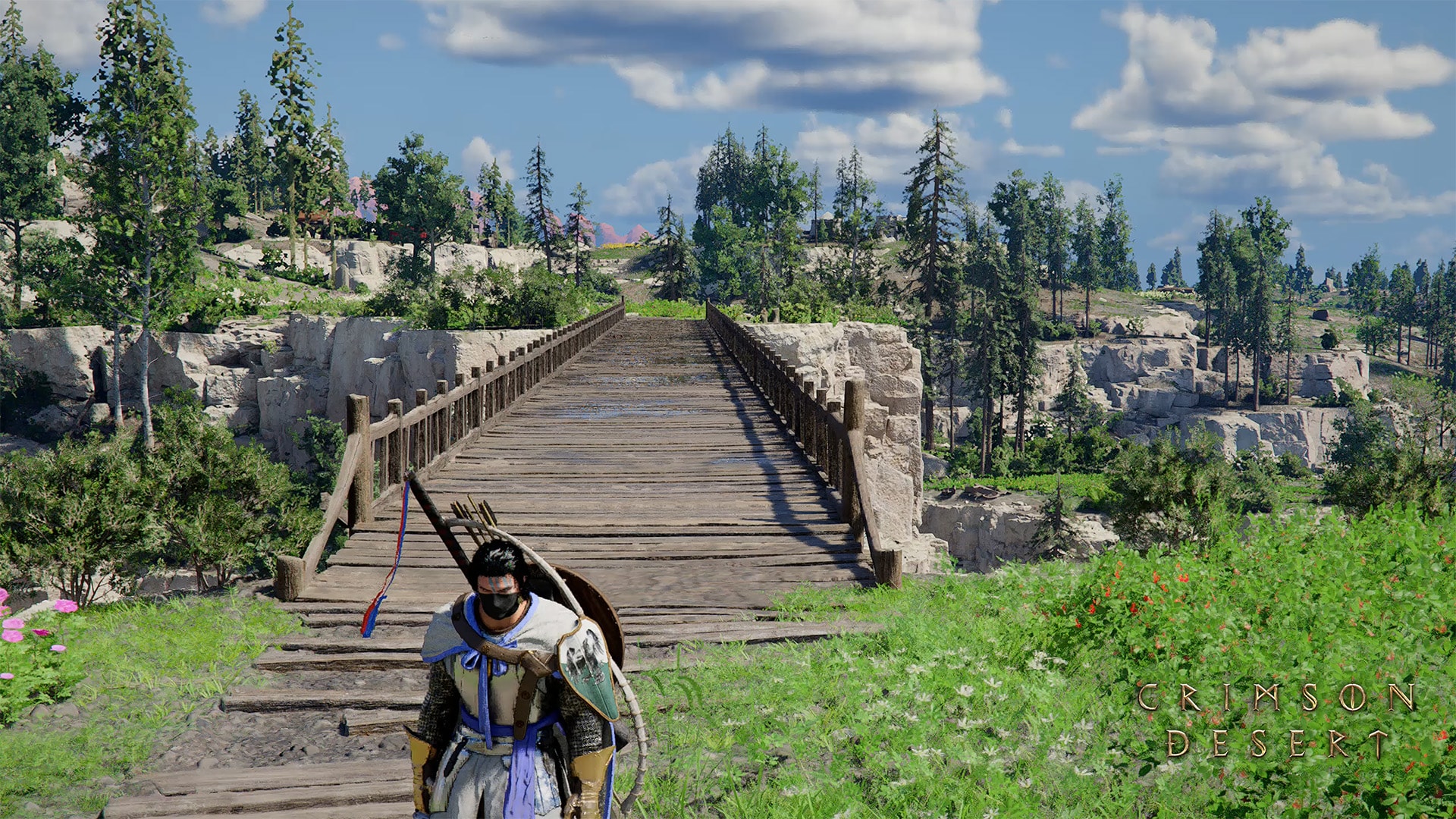
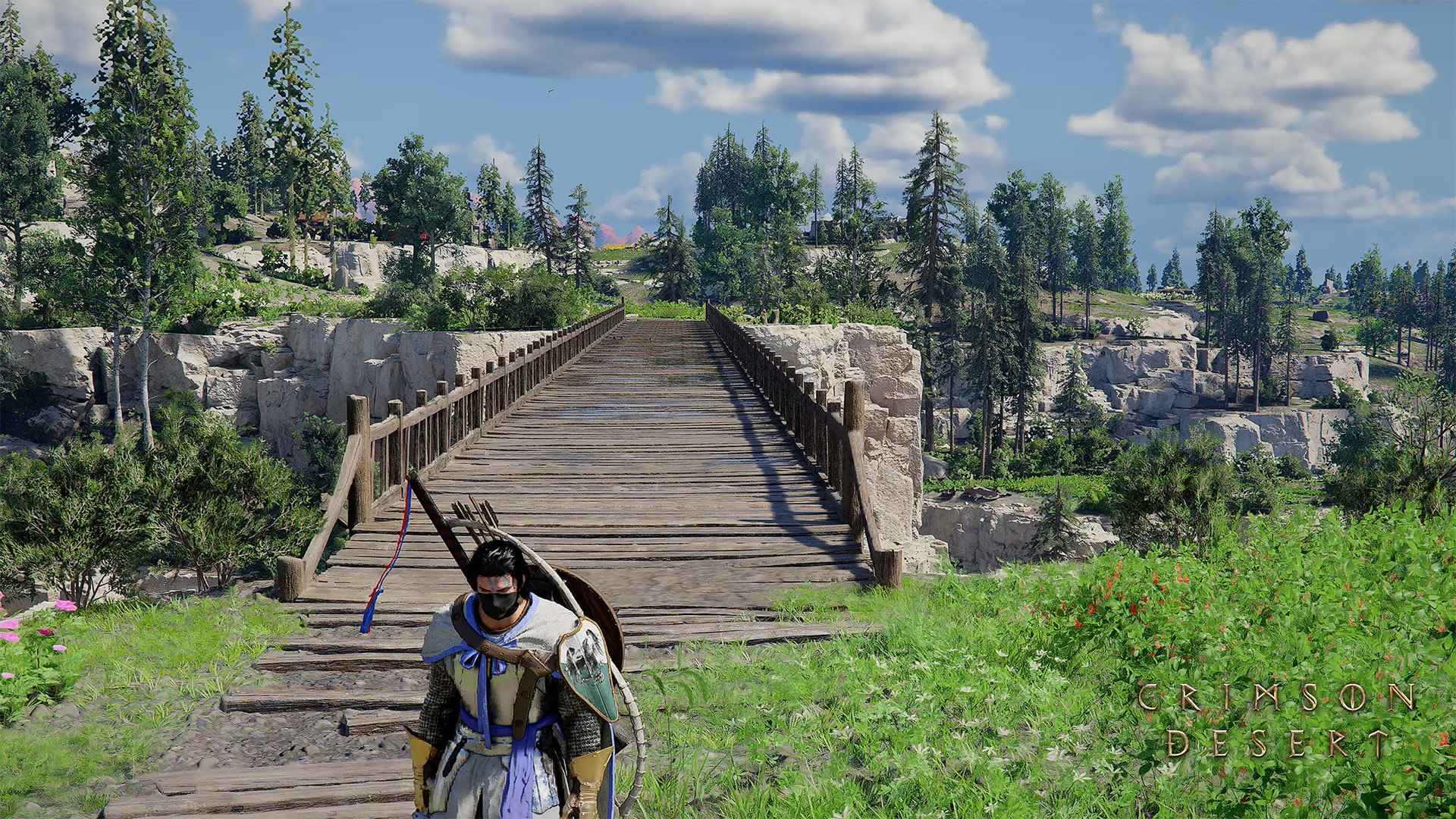
AMD FSR 3.1 vs. FSR Upscaling 4.1 in Crimson Desert by Pearl Abyss | Balanced mode | Resized 1.5x zoom of 4K capture
Today, we’re releasing our Q2 2026 SDK update, and it comes with a significant milestone. ML-based AMD FSR Upscaling 4.1 was previously exclusive to AMD RDNA™ 4 architecture graphics cards, delivering a significant leap in upscaling image quality over previous FSR generations. With this update, those same image quality improvements are now available on RDNA 3 architecture-based AMD Radeon™ RX 7000 Series discrete GPUs, bringing ML-based upscaling to a wider range of AMD hardware. This update also delivers stability improvements in AMD FSR Frame Generation and feature improvements in AMD FSR Ray Regeneration.
AMD FSR Upscaling is our cutting-edge ML-powered upscaler that delivers significant image quality improvements over previous FSR generations. It uses neural networks to reconstruct visuals from lower-resolution frames that match or exceed native rendering quality, thus delivering a substantial boost in game performance.
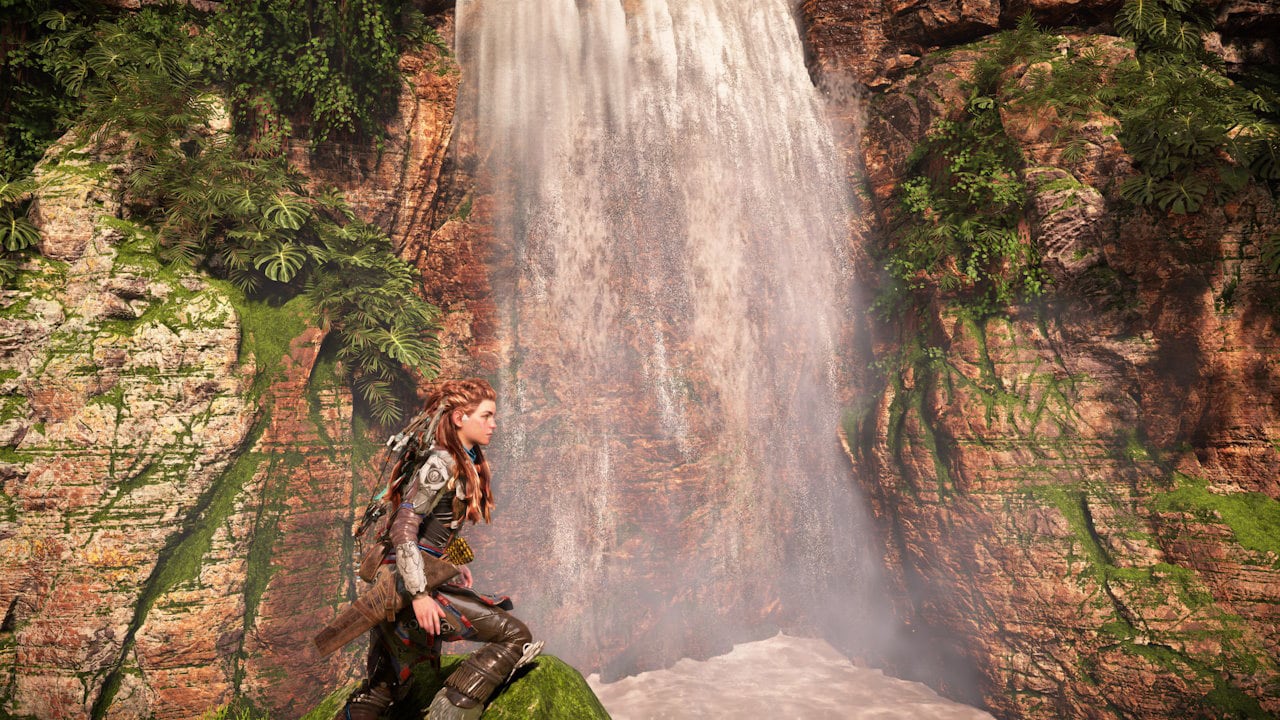
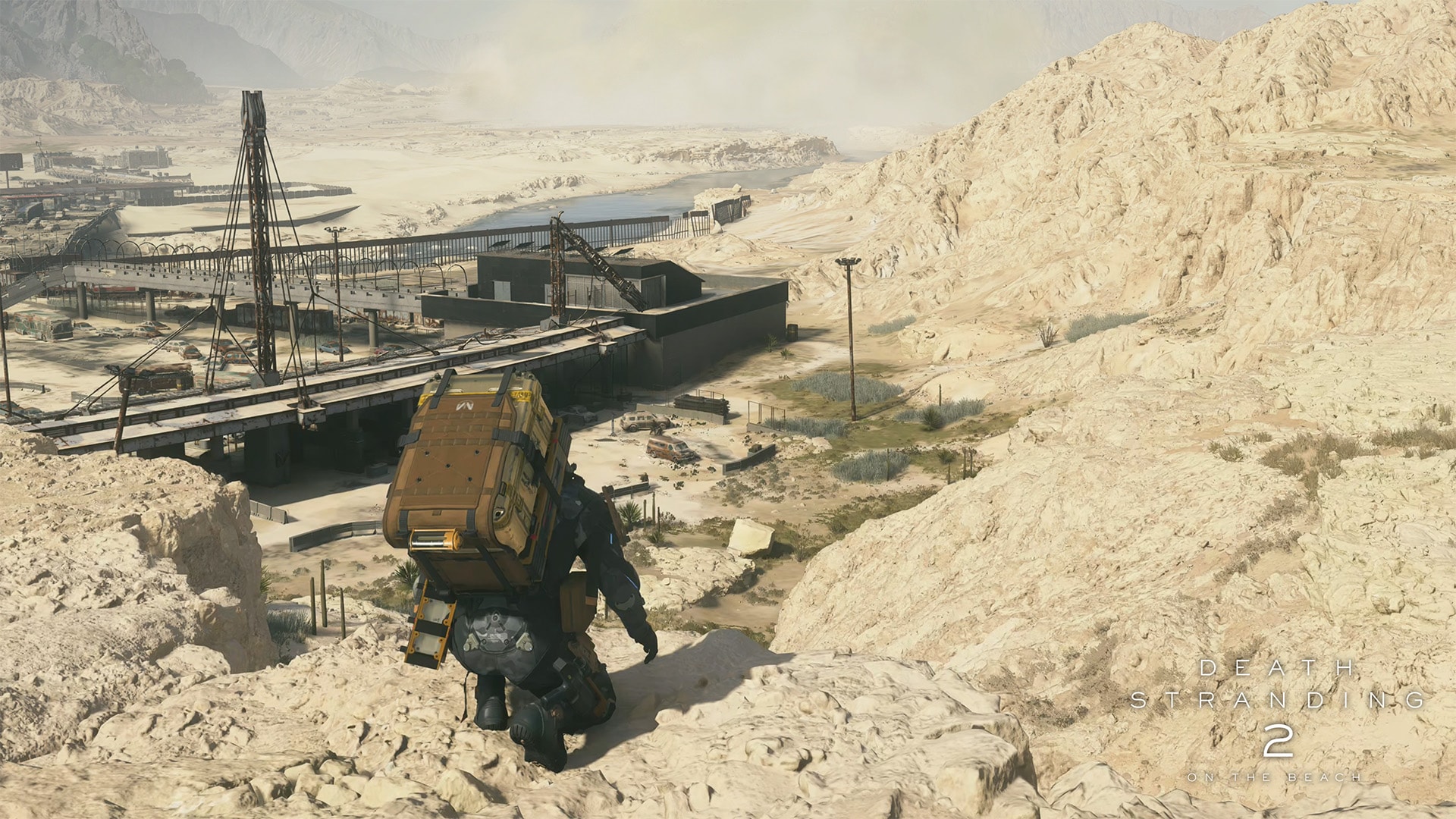
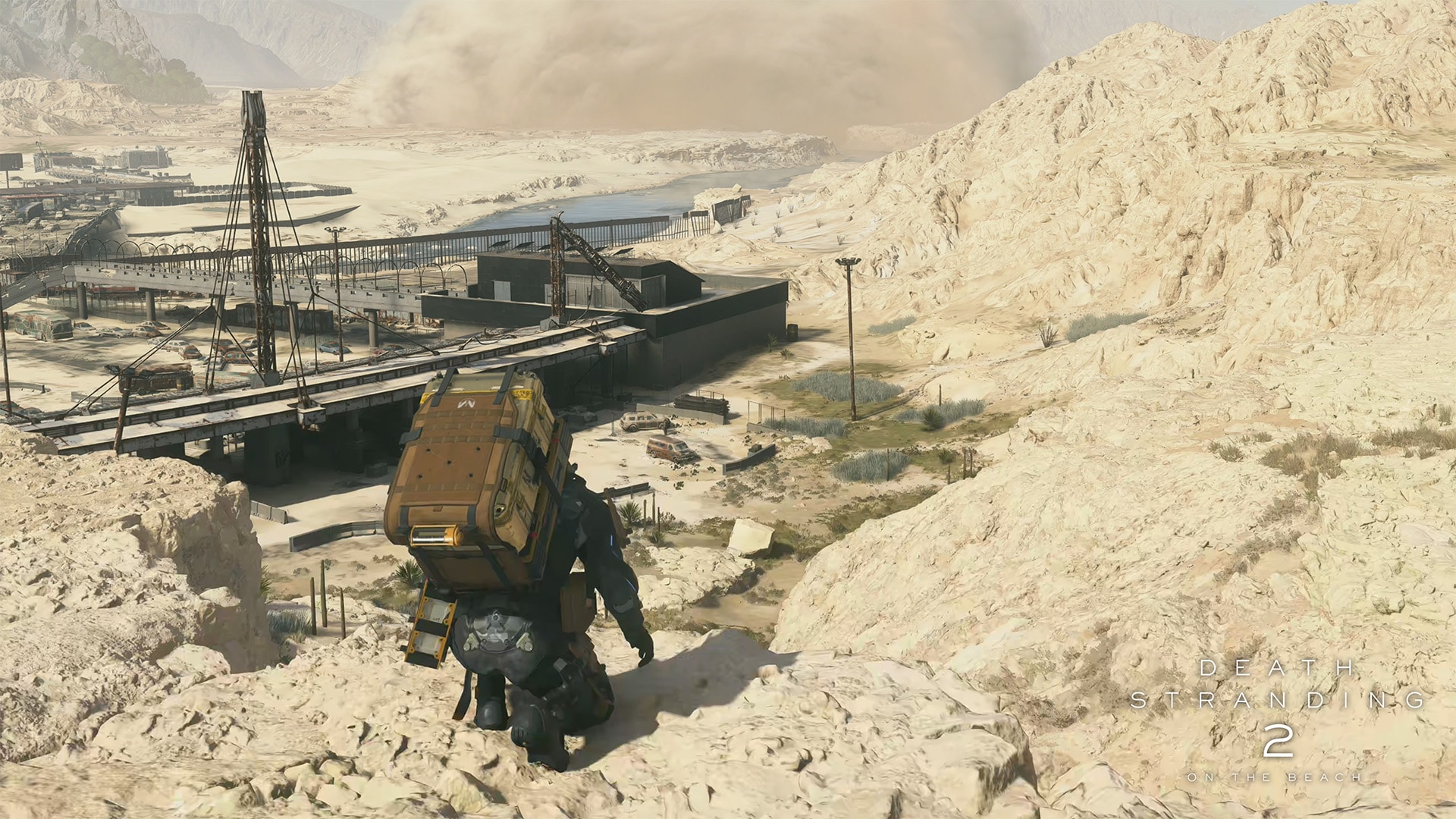
AMD FSR Upscaling 4.1.1 on RDNA 3 vs. RDNA 4 in DEATH STRANDING 2: ON THE BEACH | Performance mode | Resized 1.5x zoom of 4K capture
The FSR Upscaling 4.1.1 update unlocks the power of FSR Upscaling 4.1 on AMD Radeon RX 7000 Series (RDNA 3 architecture) discrete GPUs. We’ve optimized FSR Upscaling for AMD RDNA 3 architecture graphics cards to deliver image quality that closely matches what is already available on Radeon RX 9000 Series (RDNA 4 architecture) graphics, as can been in the comparison screenshots above from DEATH STRANDING 2: ON THE BEACH by Kojima Productions.
AMD FSR Frame Generation uses cutting-edge ML algorithms to generate high-quality intermediate frames using optical flow estimation and motion vectors. The ML algorithm predicts per-pixel motion and appearance, then blends that with motion vector reprojection to generate a new, in-between frame. The outcome is an additional frame that is consistent with the previous and next frames, helping to maintain smooth motion without major artifacts.
When combined with AMD FSR Upscaling and Radeon Anti-Lag 2, FSR Frame Generation delivers a higher visual frame rate for ultra-smooth and low-latency gameplay on AMD RDNA 4 architecture graphics cards. The v4.0.1 update includes improved input processing for motion vectors and camera parameters to improve visual quality in select corner cases.
AMD FSR Ray Regeneration is a ML-powered real-time denoiser that integrates with game engines, enabling high-quality visuals by denoising inputs from ray-traced workloads. Requiring AMD RDNA 4 architecture graphics, it works best when combined with other FSR “Redstone” technologies and transforms noisy outputs from ray tracing into a clean, coherent image.
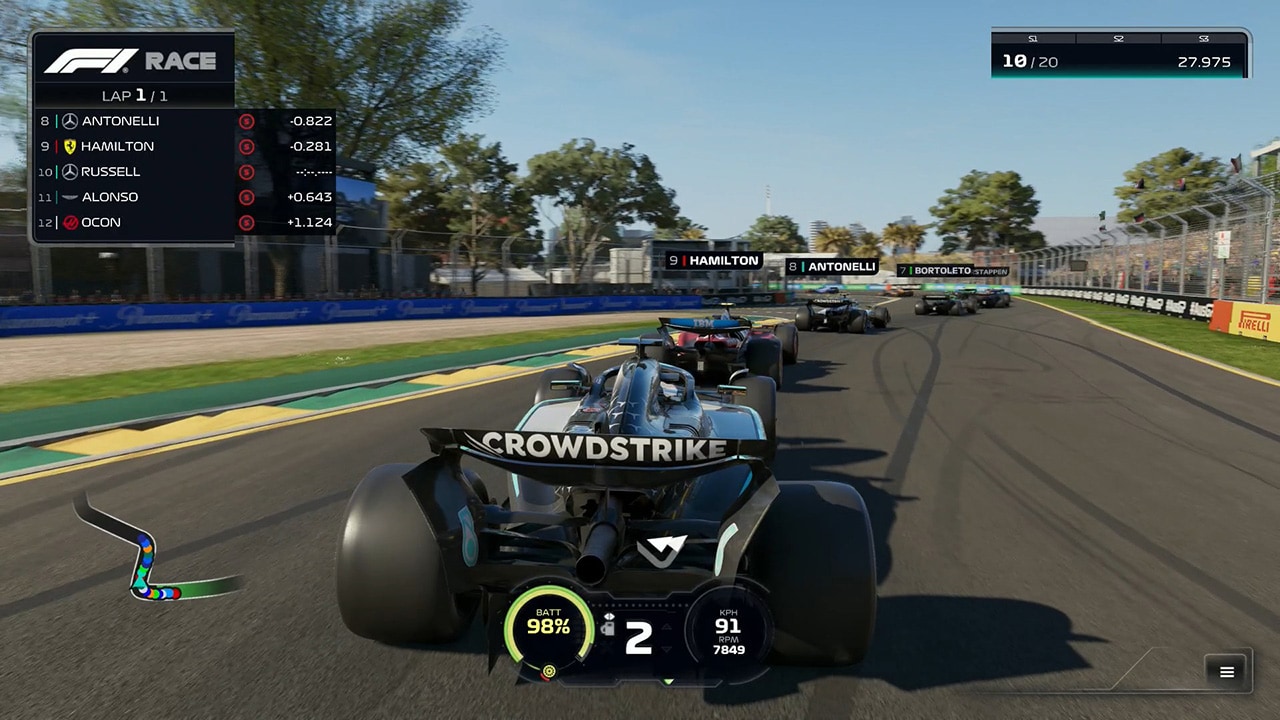
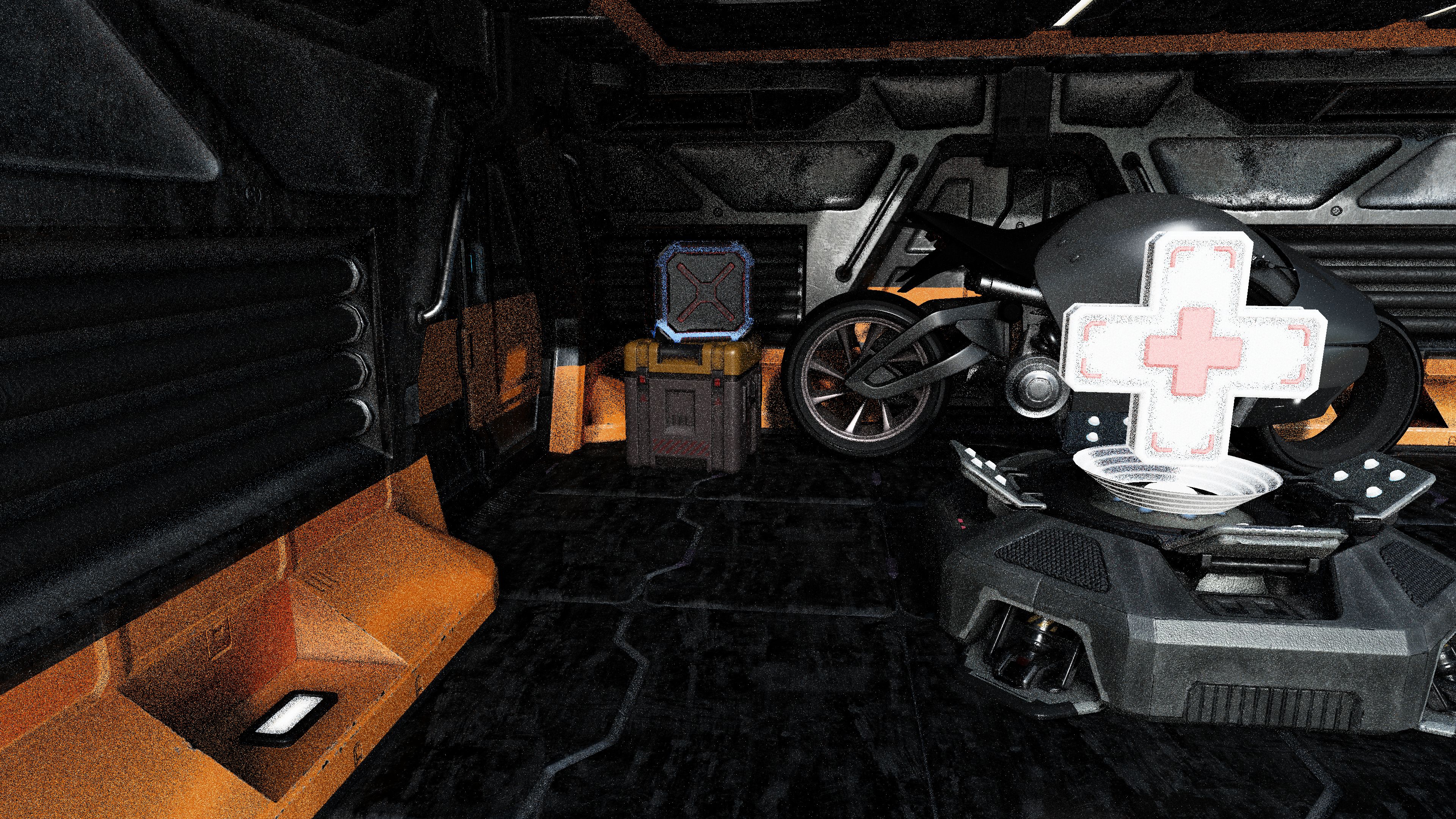
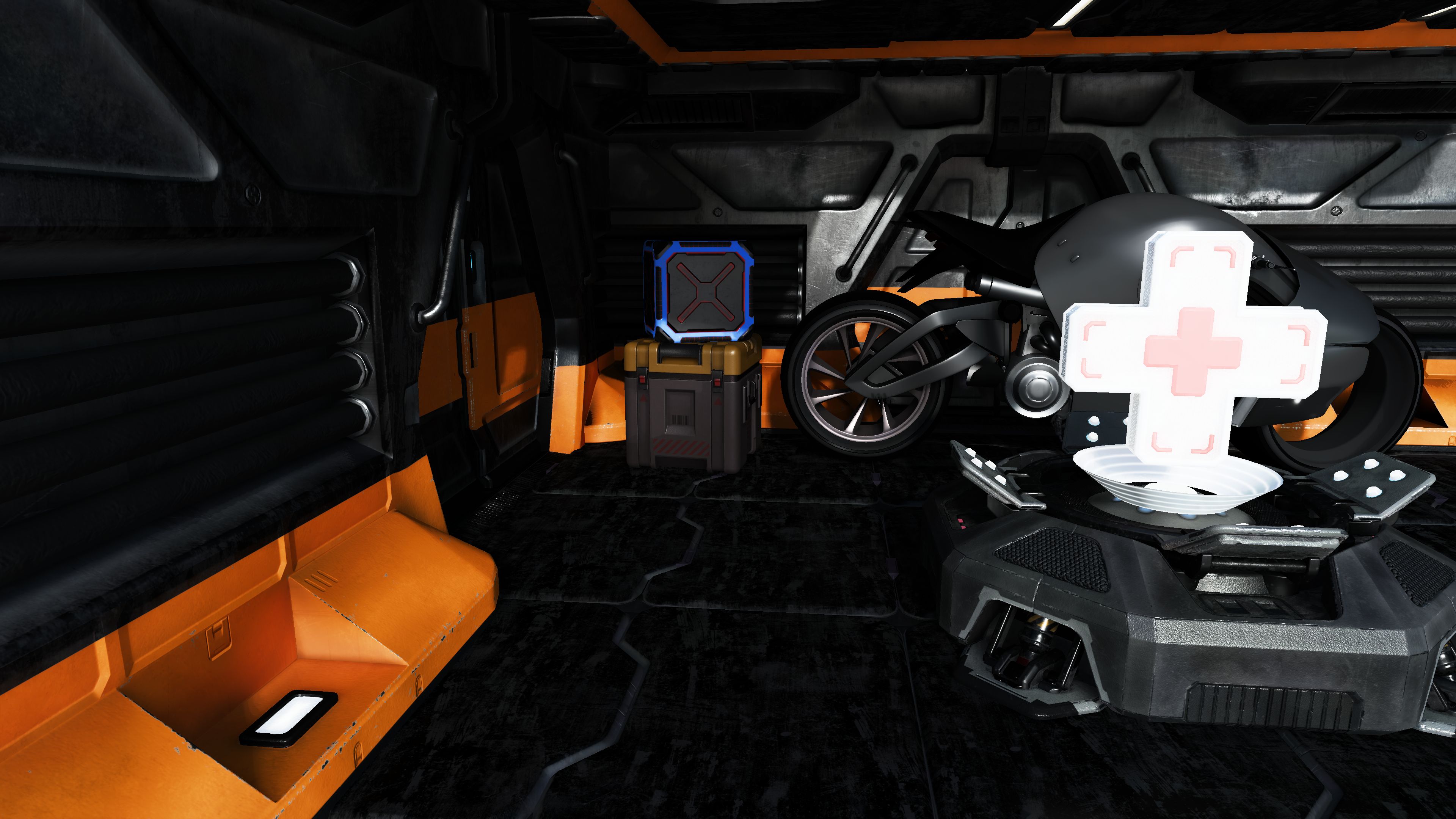
AMD FSR Ray Regeneration 1.2 example
The FSR Ray Regeneration 1.2 update includes new signal denoising options for ambient and specular occlusion and a checkerboard rendering mode. You can see an example of v1.2 in the comparison screenshots above from an internal sample.
NOTE: AMD FSR Ray Regeneration 1.2 contains ABI breaking changes from version 1.1. Please see the FSR Ray Regeneration SDK documentation for more details.
The AMD FSR “Redstone” SDK 2.3 is available now, delivering improved ML-powered FSR Upscaling 4.1.1 optimized for AMD RDNA 3 and 4 architecture GPUs, and FSR Frame Generation 4.0.1 and Ray Regeneration 1.2 optimized for RDNA 4 architecture GPUs. Analytical fallback modes for upscaling and frame generation are available to support RDNA 3.5 and RDNA 2 architecture and older GPUs.
With this latest update, our FSR SDK helps you deliver ML-powered upscaling image quality improvements to more of your players, while continuing to deliver additional advanced neural rendering technologies for Radeon RX 9000 Series graphics and scalable fallback paths for older AMD hardware. Download the FSR “Redstone” SDK 2.3 today and start integrating the latest AMD FSR technologies into your game.
AMD FSR SDK 2.3 binaries and limited source are now available on GitHub.
Check out our extensive AMD FSR SDK documentation.
Make sure you visit our AMD FSR SDK home page here on GPUOpen.
Review our AMD FSR naming guidelines.
Sign up to our AMD Developer Newsletter for the latest updates.
Do you have feature requests or have found issues with the SDK? Please get in touch with your AMD representative or join the AMD Developer Community on Discord or Discourse to connect with fellow developers and AMD staff to discuss and provide feedback for this release.
You can also connect with us on social media at @GPUOpen on X, gpuopen.bsky.social on Bluesky, or mastodon.gamedev.place/@gpuopen on Mastodon.
All requests and feedback are very valuable to us, and we will read and try to respond to everyone.
† Shader Model 6.6 support requires DirectX® 12 Agility SDK 1.4.9 or later.
NOTE: The AMD FSR™ Unreal® Engine 5 plugin uses FSR Upscaling 4.0.3. It will be updated to v4.1.1 at a later date.
Crimson Desert © 2025-2026 Pearl Abyss Corp. Crimson Desert is a trademark of Pearl Abyss. All rights reserved.
DEATH STRANDING 2: ON THE BEACH © 2026 KOJIMA PRODUCTIONS Co., Ltd. / HIDEO KOJIMA. Produced by Sony Interactive Entertainment Inc.
DirectX and Windows are trademarks of the Microsoft group of companies.
Unreal® is a trademark or registered trademark of Epic Games, Inc. in the United States of America and elsewhere.