
AMD FSR SDK
AMD FSR™ SDK v2.2 is the launchpad for our ML-based FSR "Redstone" rendering technologies, inc. AMD FSR Upscaling, Frame Generation, Ray Regeneration, and Radiance Caching.


Neural rendering is transforming real-time graphics, enabling developers to deliver higher visual fidelity and performance than ever before. AMD FSR™ “Redstone” puts these capabilities directly in your hands, combining machine learning (ML) and analytical techniques to unlock new possibilities in upscaling, frame generation, ray tracing denoising, and lighting.
The AMD FSR “Redstone” SDK is our easy-to-integrate solution that enables you to reach more players by supporting millions of AMD gamers across handheld gaming devices, game consoles, and PCs with a single implementation. By integrating FSR features into your games, you can deliver enhanced performance and visual quality that scales seamlessly across the entire AMD ecosystem.
Today, we’re releasing our first major update since the December FSR “Redstone” launch: AMD FSR SDK 2.2. This update delivers significant improvements to two key neural rendering technologies: AMD FSR Upscaling 4.1 and AMD FSR Ray Regeneration 1.1.
The AMD FSR “Redstone” SDK includes four neural rendering features optimized for AMD RDNA™ 4 architecture graphics cards: AMD FSR Upscaling, FSR Frame Generation, FSR Ray Regeneration, and FSR Radiance Caching. While the ML-powered features require RDNA 4 architecture-based hardware, analytical fallback (FSR 3) modes are available for upscaling and frame generation features, supporting RDNA 3.5 architecture and earlier graphics. Below are more details about the specific FSR features being updated in the SDK 2.2 release.
AMD FSR Upscaling is a cutting-edge upscaler that delivers significant image quality improvements over previous FSR generations. Our ML-powered upscaler uses neural networks to reconstruct visuals from lower-resolution frames that match or exceed native rendering quality, delivering a substantial boost in game performance.
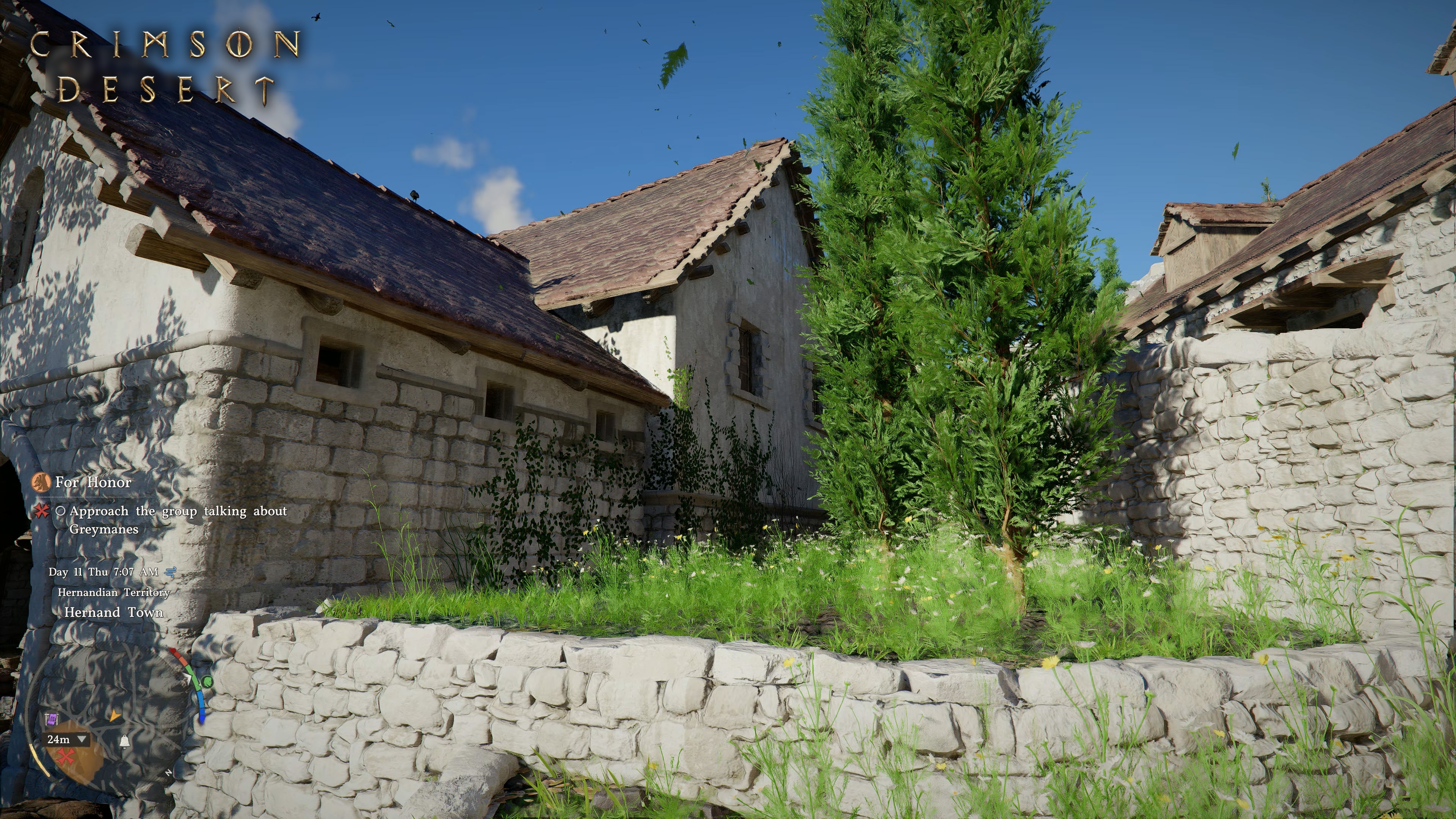
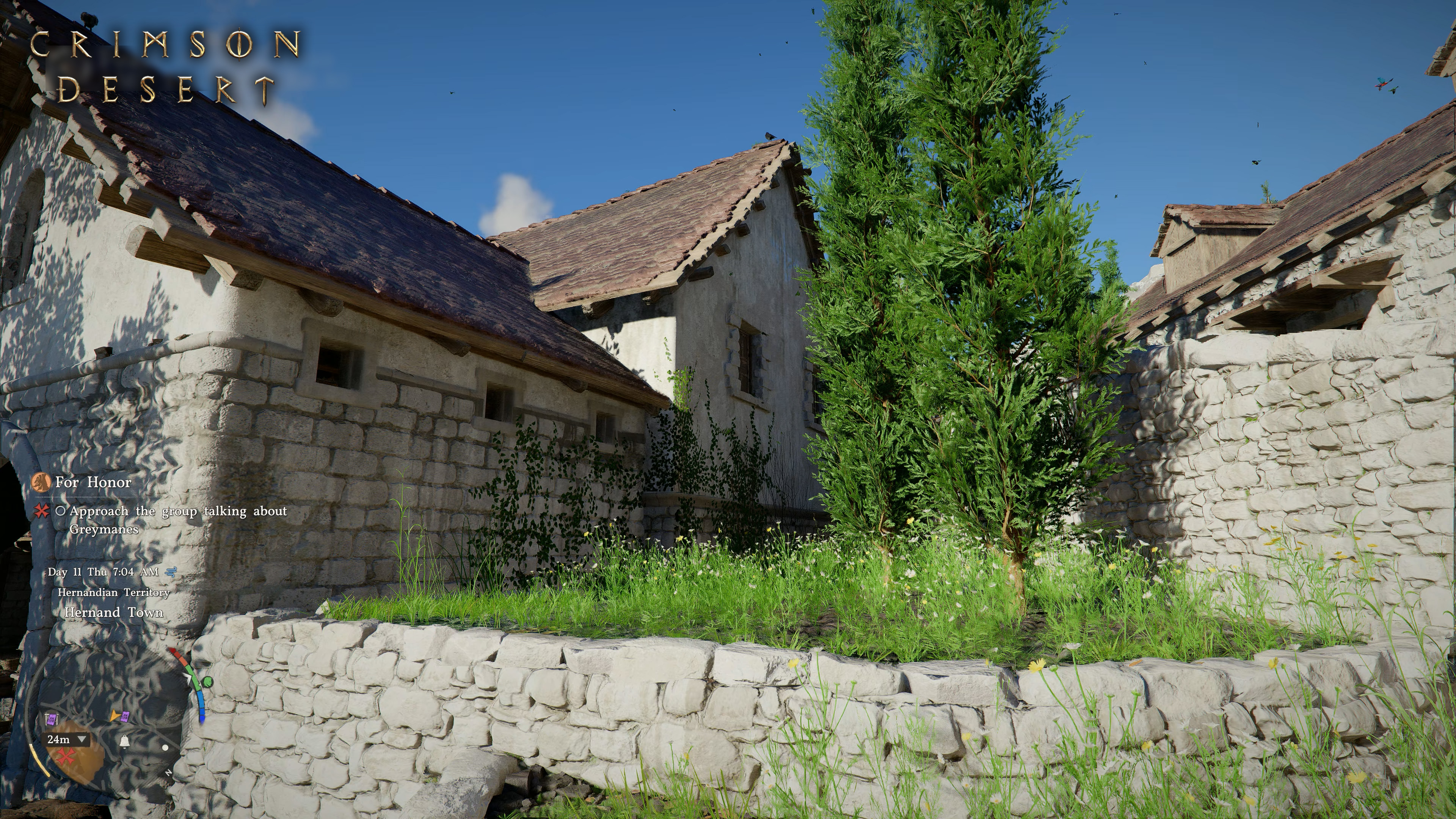
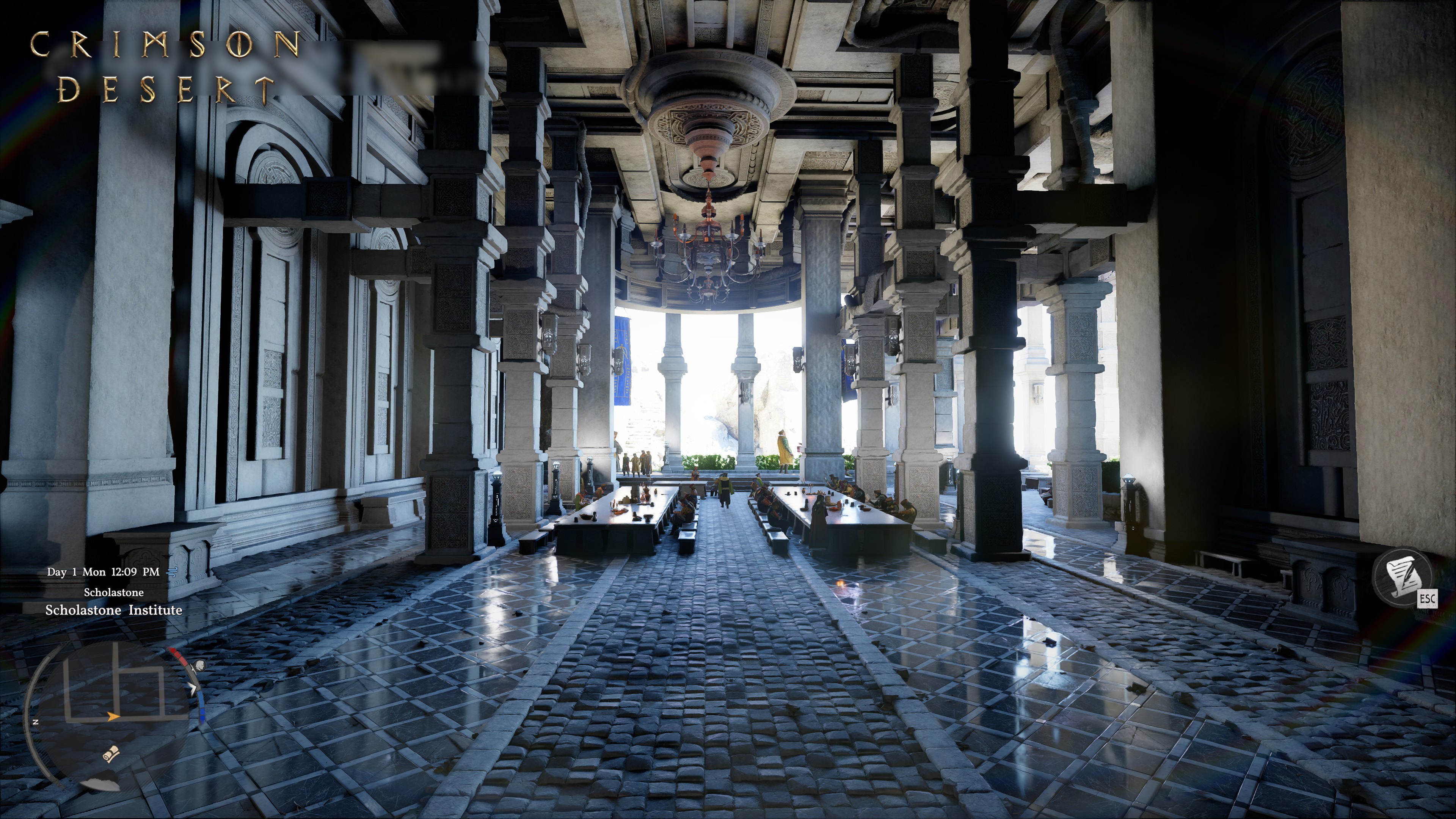
The FSR Upscaling 4.1 update brings enhanced image quality, especially while in-motion, thanks to improvements from an update to inference resulting in a sharper image. The update also improves ultra-performance and dynamic resolution scaling (DRS) modes. You can see an example of the v4.1 improvements below in the recently released Crimson Desert by Pearl Abyss.
Crimson Desert FSR Upscaling 4 vs. 4.1 (Performance mode) | Captured with an AMD Radeon™ RX 9070 XT & Ryzen™ 7 9800X3D | 4K Cinematic game settings (max lighting).
AMD FSR Ray Regeneration is a ML-powered real-time denoiser that integrates with any game engine, enabling high-quality visuals by denoising inputs from ray-traced workloads. Requiring RDNA 4 architecture graphics, it works best when combined with other FSR “Redstone” technologies to transform noisy outputs from ray tracing into a clean, coherent image.
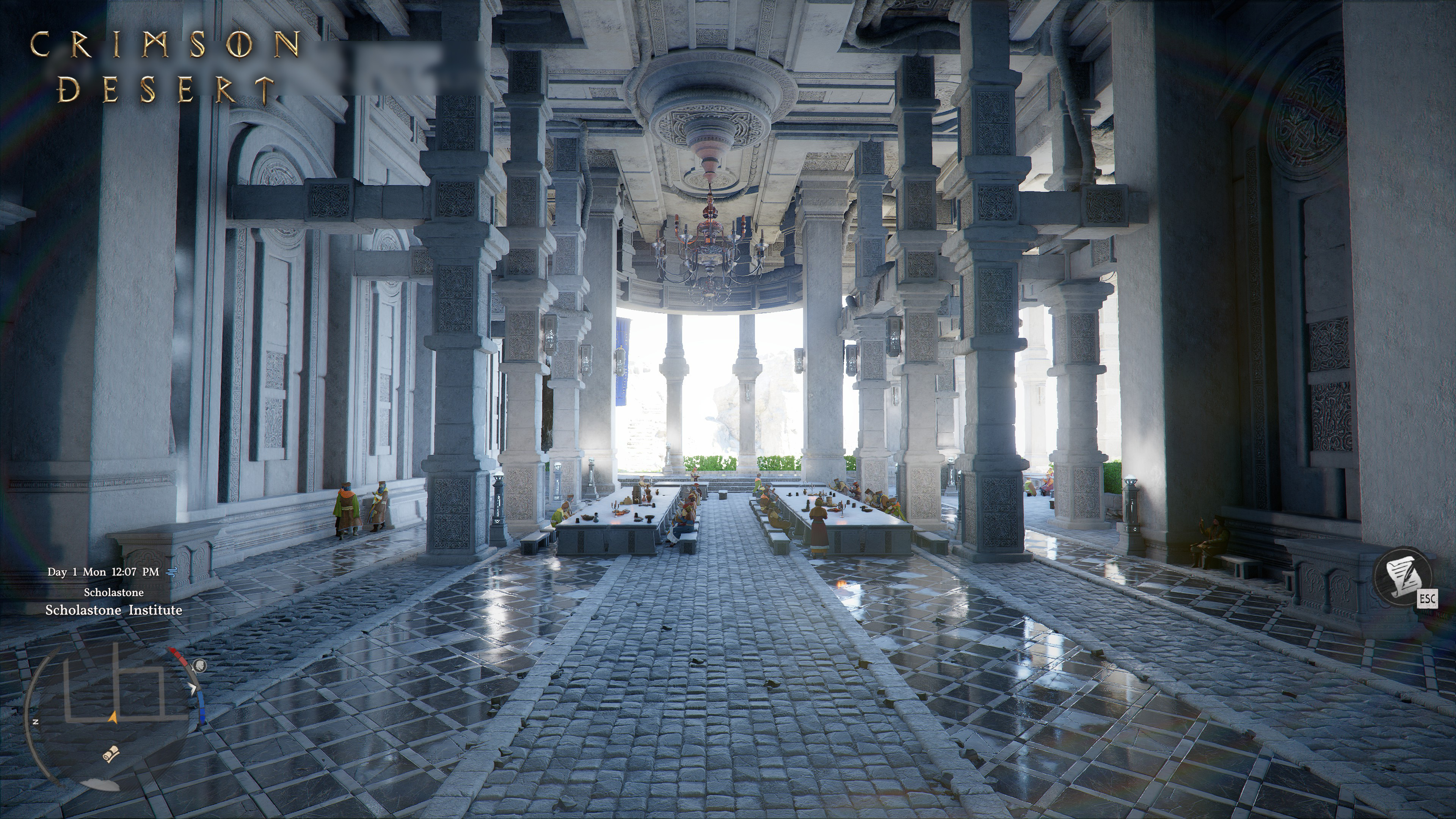
The FSR Ray Regeneration 1.1 update includes quality and memory improvements, and the addition of debug view modes. You can see an example of FSR Ray Regeneration 1.1 in the screenshots below from Crimson Desert by Pearl Abyss, the first game to integrate this latest version of Ray Regeneration.
Crimson Desert standard denoiser vs. FSR Ray Regeneration 1.1 | Captured with an AMD Radeon RX 9070 XT & Ryzen 7 9800X3D | 4K Cinematic game settings (max lighting) using FSR Upscaling 4.1 (Native AA mode) + FSR Ray Regeneration 1.1.
NOTE: FSR Ray Regeneration 1.1 contains ABI breaking changes from version 1.0. Please see the FSR Ray Regeneration SDK documentation for more details.
With the FSR “Redstone” release back in December 2025, we streamlined our branding to better serve both developers and gamers. We’ve unified all our technologies under the AMD FSR brand, replacing the AMD FidelityFX™ naming convention. This simplified branding makes it easier for developers to implement these features in game UI and for players to immediately recognize and enable them.
The AMD FSR name now encompasses existing technologies like upscaling and frame generation, as well as all new solutions in the FSR “Redstone” release and beyond. To help with these branding updates, we’ve created a new AMD FSR naming guidelines page for developers with detailed recommendations on how to name FSR SDK solutions in your games.
The AMD FSR “Redstone” SDK 2.2 is available today, delivering improved ML-powered FSR Upscaling 4.1 and Ray Regeneration 1.1 optimized for RDNA 4 architecture GPUs, with analytical fallback modes for upscaling and frame generation to ensure your games scale seamlessly across the entire AMD ecosystem.
Ship one implementation that enhances experiences for millions of AMD gamers across handheld gaming devices, game consoles, and PCs with AMD Radeon RX 9000 Series graphics cards. Download the FSR “Redstone” SDK 2.2 today and join us in pushing the boundaries of real-time rendering.
FSR SDK 2.2 binaries and limited source are now available on GitHub.
Check out our extensive AMD FSR SDK documentation.
Make sure you visit our AMD FSR SDK home page here on GPUOpen.
Review our AMD FSR naming guidelines.
Sign up to our AMD Developer Newsletter for the latest updates.
Do you have feature requests or have found issues with the SDK? Please get in touch with your AMD representative or join the AMD Developer Community on Discord or Discourse to connect with fellow developers and AMD staff to discuss and provide feedback for this release.
You can also connect with us on social media at @GPUOpen on X, gpuopen.bsky.social on Bluesky, or mastodon.gamedev.place/@gpuopen on Mastodon.
All requests and feedback are very valuable to us, and we will read and try to respond to everyone.
† Shader Model 6.6 support requires DirectX 12 Agility SDK 1.4.9 or later.
NOTE: The AMD FSR Unreal Engine 5 plugin uses FSR Upscaling 4.0.3. It will be updated to v4.1 at a later date.
Crimson Desert © 2025-2026 Pearl Abyss Corp. Crimson Desert is a trademark of Pearl Abyss. All rights reserved.
DirectX and Windows are trademarks of the Microsoft group of companies.
Unreal® is a trademark or registered trademark of Epic Games, Inc. in the United States of America and elsewhere.