AMD Schola
AMD Schola is a library for developing reinforcement learning (RL) agents in Unreal Engine and training with your favorite python-based RL Frameworks.


We’re excited to announce the release of AMD Schola v2, a major update to AMD’s open-source reinforcement learning plugin for Unreal® Engine 5. This release represents a significant leap forward in capabilities, performance, and ease of use for training and deploying AI agents in Unreal Engine environments.
AMD Schola is a toolkit that bridges the gap between Unreal Engine and popular Python-based RL frameworks like Stable Baselines 3 and Ray RLlib. Whether you’re training NPCs for games, developing robotic simulations, or exploring sim-to-real transfer, Schola provides the tools you need to create intelligent agents that learn from experience.
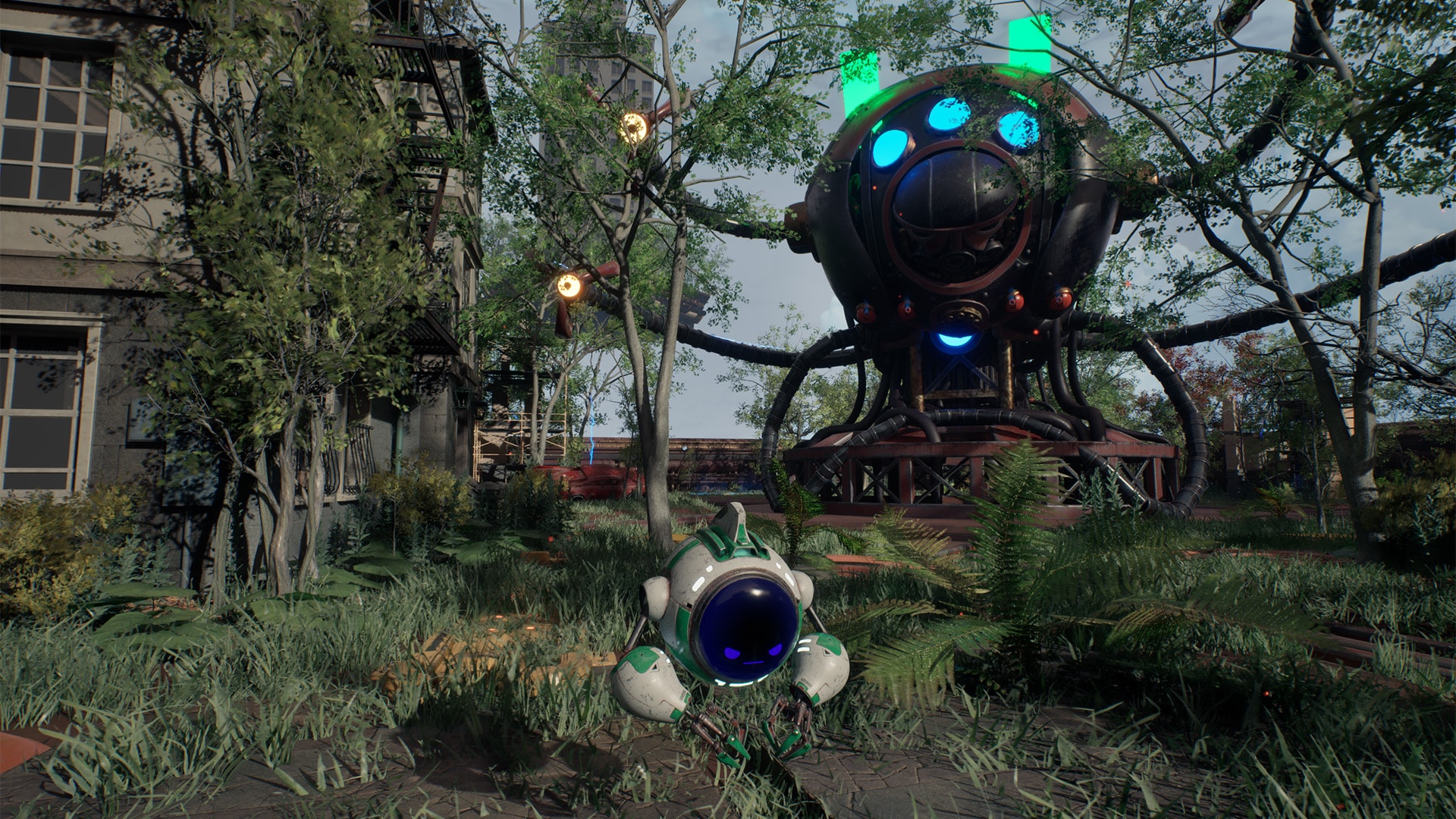
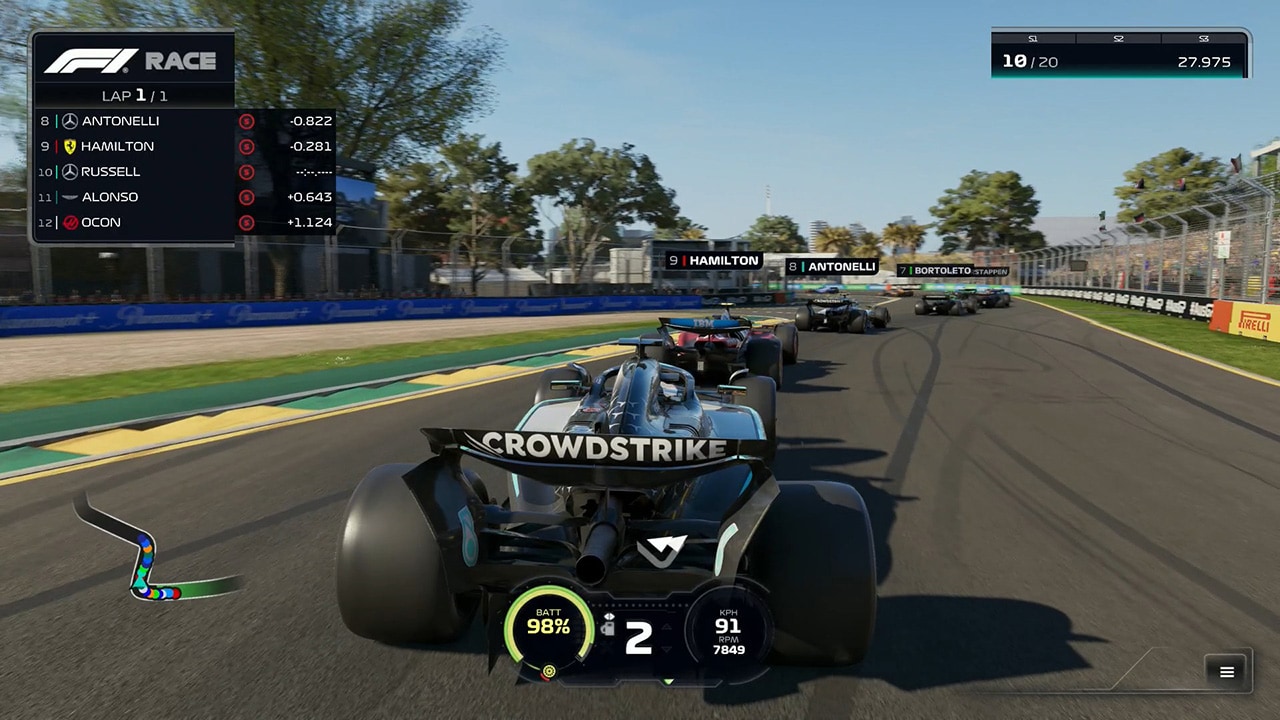
AMD Schola Unreal Engine demo screenshot
AMD Schola v2 introduces a powerful and flexible architecture that decouples the inference process into components for maximum flexibility and reusability. This modular design allows you to mix and match different policies, stepping strategies, and agent implementations to suit your specific needs.
Key components:
Agent Interface - Define an agent that takes actions and makes observations.
UInferenceComponent - Add inference to any actor.AInferencePawn - Standalone pawn-based agents.AInferenceController - AI controller pattern for complex behaviors.Policy Interface - Plug in different inference backends, to turn observations into actions.
UNNEPolicy - Native ONNX inference with Unreal Engine’s Neural Network Engine.UBlueprintPolicy - Custom Blueprint-based decision making.Stepper Objects - Control inference execution patterns by coordinating agents and policies.
SimpleStepper - Synchronous, straightforward inference.PipelinedStepper - Overlap inference with simulation for better throughput.This architecture means you can easily switch between inference backends, optimize performance characteristics, and compose behaviors without rewriting your agent logic. Whether you’re prototyping with Blueprints or deploying production-ready neural networks, the same agent interface works seamlessly with your chosen policy and execution strategy.
AMD Schola v2 introduces native support for the Minari dataset format, the standard for offline RL and imitation learning datasets. Minari provides a unified interface for storing and loading trajectory data, making it easier to share demonstrations and datasets across different projects and research communities.
One of the most powerful improvements in AMD Schola v2 is robust support for agents being spawned and deleted mid-episode. Previous versions required a static set of agents throughout an episode, or a predefined spawning function to spawn agents but v2 can now handle dynamic populations seamlessly.
This enables realistic scenarios like:
The system lets you manage lifecycles the way you want, simply mark the agents as terminated when they die, or start reporting observations when they spawn. This makes it much easier to build realistic, dynamic environments that mirror actual game scenarios.
Training from the command line is now more intuitive than ever:
# Stable Baselines 3schola sb3 train ppo ...
# Ray RLlibschola rllib train ppo ...
# Utilitiesschola compile-protoschola build-docs
The new CLI built with cyclopts provides better error messages, auto-completion support, and a more consistent interface across different RL frameworks.
Working in Unreal Engine Blueprints is smoother than ever:
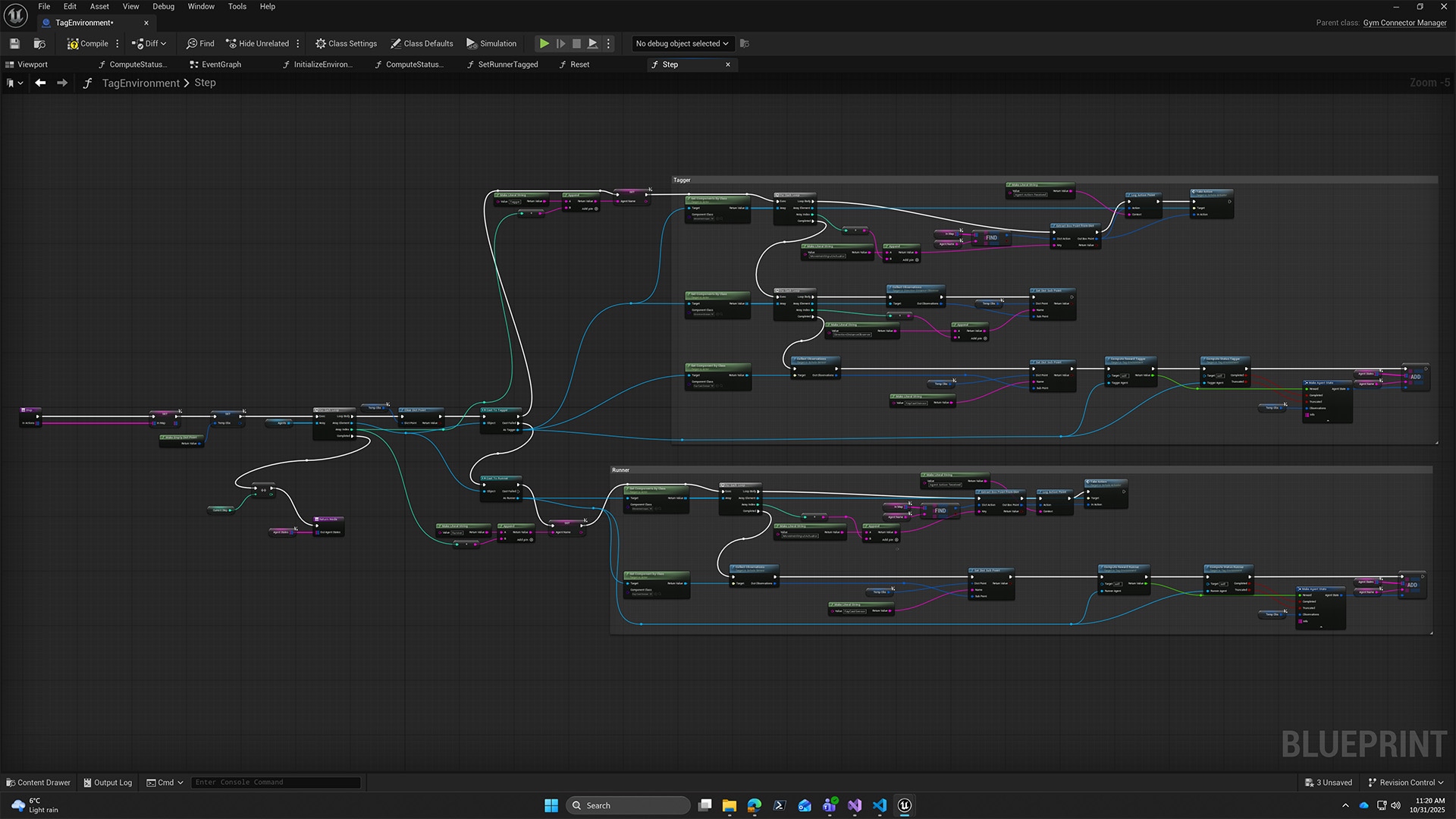
AMD Schola Unreal Engine Blueprints example
AMD Schola v2 has been updated to support the latest versions of all major RL frameworks and libraries:
These updates ensure you can leverage the latest features, bug fixes, and performance improvements from the RL ecosystem while training your agents in Unreal Engine.
/Plugins folder.pip install -e <path to Schola>/Resources/python[all]| AMD Schola Version | Unreal Engine Version | Python Version | Status |
|---|---|---|---|
| 2.0.x | 5.5 - 5.6 | 3.9 - 3.12 | ✅ Current |
| 1.3 | 5.5 - 5.6 | 3.9 - 3.11 | Legacy |
| 1.2 | 5.5 | 3.9 - 3.11 | Legacy |
AMD Schola is open source and we welcome contributions!
AMD Schola v2 is the result of contributions from the AMD Software Technologies team, especially Tian Yue Liu, Mehdi Saeedi, and Nathan Hung, as well as the broader open-source community. Special thanks to all contributors who have helped make this release possible.
AMD Schola v2 is available now under the MIT license. Whether you’re building the next generation of game AI, training robots, or exploring cutting-edge research, Schola provides the tools you need to succeed.
“Python” is a registered trademarks of the Python Software Foundation.
Unreal® is a trademark or registered trademark of Epic Games, Inc. in the United States of America and elsewhere.
Windows and Visual Studio are trademarks of the Microsoft group of companies.