
AMD FSR SDK
AMD FSR™ SDK v2.2 is the launchpad for our ML-based FSR "Redstone" rendering technologies, inc. AMD FSR Upscaling, Frame Generation, Ray Regeneration, and Radiance Caching.

ML-powered real-time denoising
ML-powered real-time denoising
AMD FSR™ Ray Regeneration is a standalone, machine learning-powered real-time denoiser that integrates with any game engine, enabling high-quality visuals by denoising inputs from ray-traced workloads.
Requiring AMD RDNA™ 4 architecture graphics, it works best when combined with other AMD FSR “Redstone” technologies to transforming noisy outputs from ray tracing into a clean, coherent image.
AMD FSR Ray Regeneration delivers:
Supports:
AMD FSR Ray Regeneration “Redstone” 1.1.0 release (as part of the AMD FSR SDK 2.2 release):
ffxDispatchDescDenoiserDebugView (ffx::DispatchDescDenoiserDebugView)
FfxApiDenoiserSettings is replaced with:
FfxApiConfigureDenoiserKeyffxConfigureDescDenoiserSettings (ffx::ConfigureDescDenoiserSettings) is replaced with:
ffxConfigureDescDenoiserKeyValue (ffx::ConfigureDescDenoiserKeyValue)ffxQueryDescDenoiserGetDefaultSettings (ffx::QueryDescDenoiserGetDefaultSettings) is replaced with:
ffxQueryDescDenoiserGetDefaultKeyValue (ffx::QueryDescDenoiserGetDefaultKeyValue)Type of ffxDispatchDescDenoiser::motionVectorScale is now FfxApiFloatCoords3D instead of FfxApiFloatCoords2D.
Alpha channel of ffxDispatchDescDenoiser::diffuseAlbedo is now unused.
Alpha channel of ffxDispatchDescDenoiser::specularAlbedo is now unused.
Alpha channel of ffxDispatchDescDenoiserInput1Signal::fusedAlbedo is now unused.
These alpha channels now contain the specular ray length:
ffxDispatchDescDenoiserInput4Signals::indirectSpecularRadiance::inputffxDispatchDescDenoiserInput2Signals::specularRadiance::inputffxDispatchDescDenoiserInput1Signal::radiance::inputSince the advent of hardware-accelerated ray tracing, real-time game and rendering engines have increasingly adopted ray tracing techniques. From realistic reflections to finely detailed shadows, ray tracing has significantly elevated visual fidelity in modern games. As GPU ray tracing capabilities continue to improve, developers are pushing the boundaries of global illumination (GI) and exploring real-time path tracing. However, raw ray-traced outputs are inherently noisy, making effective denoising essential for producing clean, high-quality images.
Denoising transforms noisy ray- or path-traced outputs into coherent, visually accurate images, often leveraging both spatial and temporal information. AMD FSR™ Ray Regeneration performs this task with a key advantage: it uses machine learning (ML) to dynamically determine optimal filter weights, delivering superior results compared to purely analytical methods.
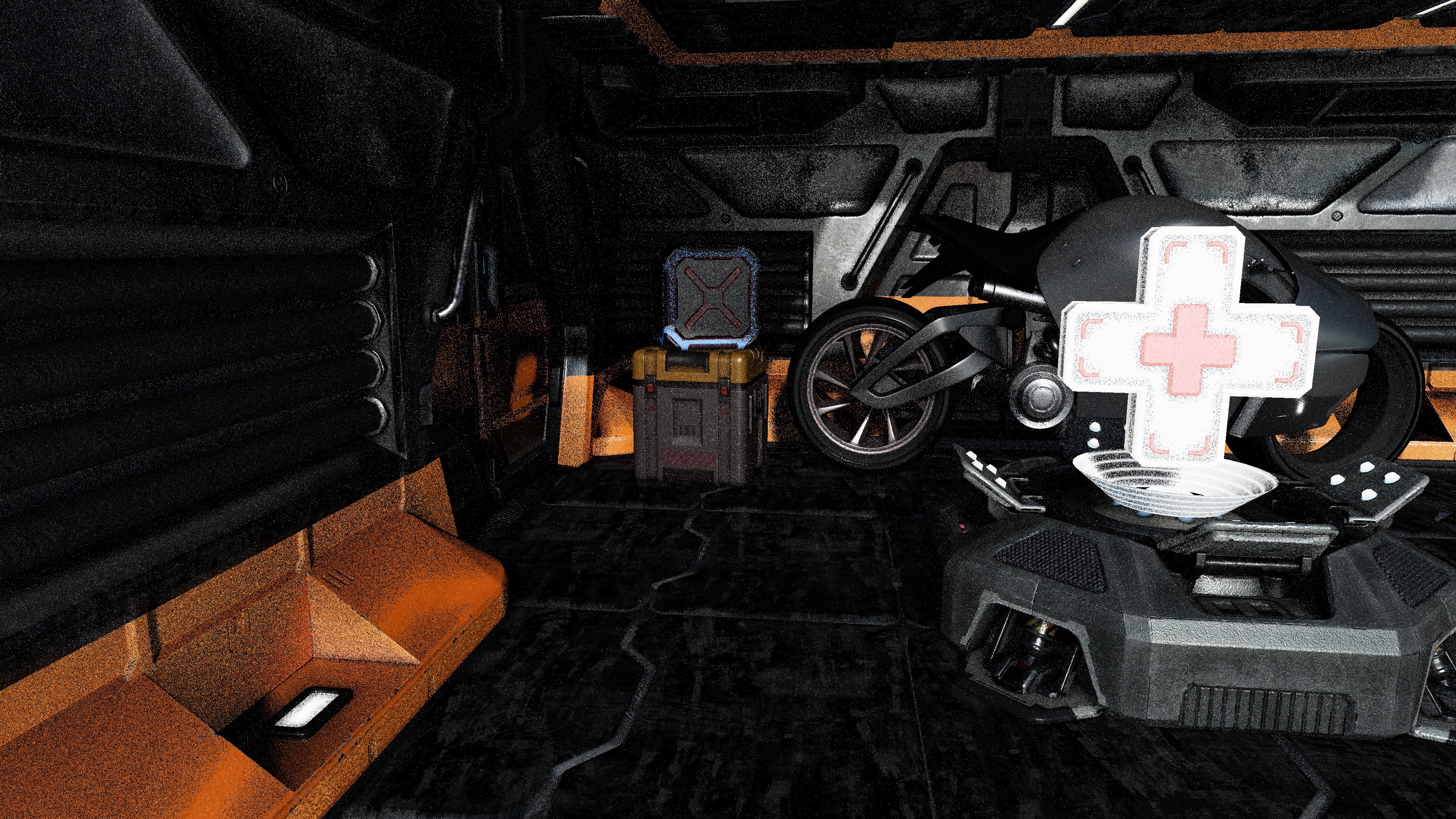
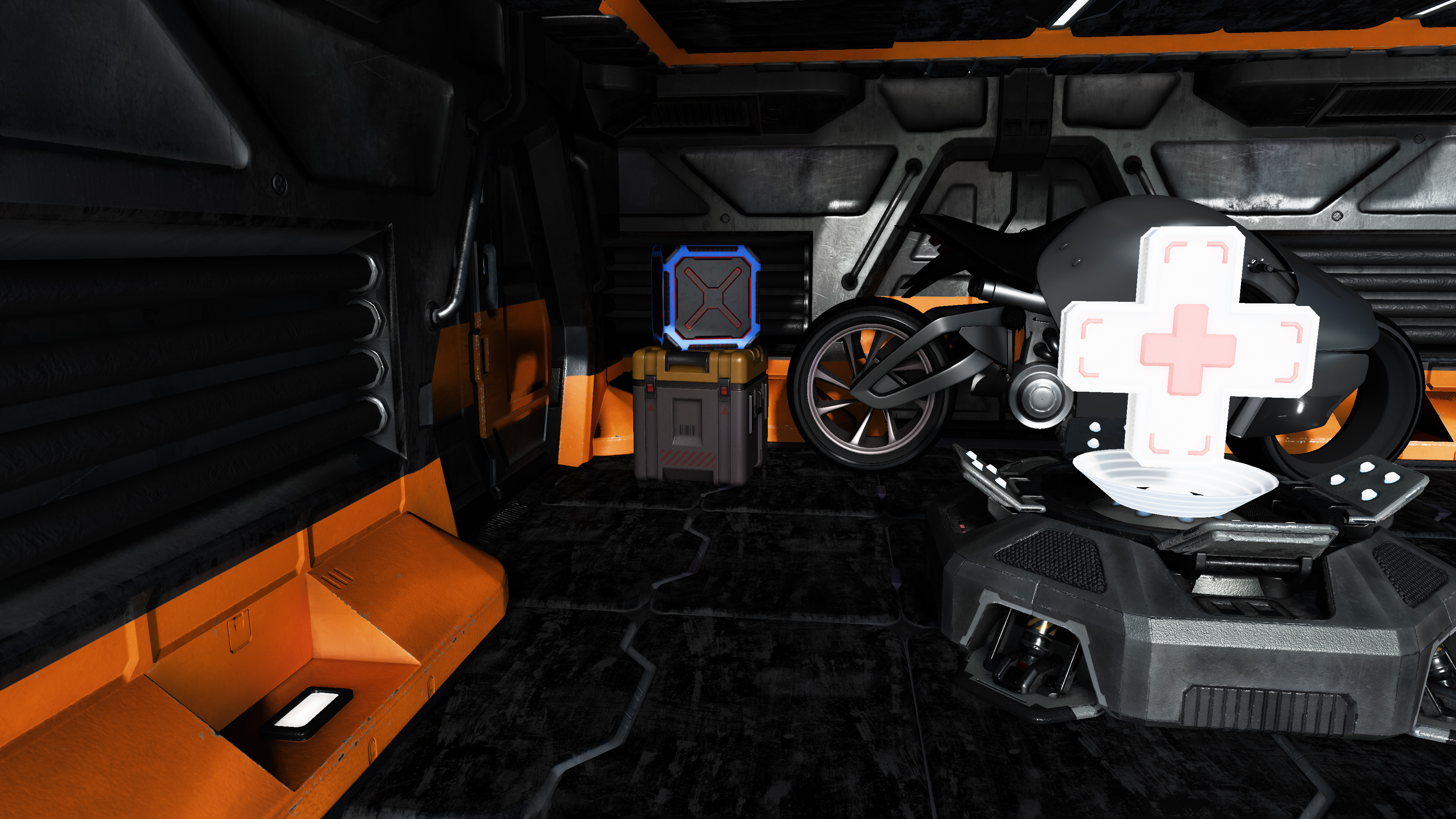
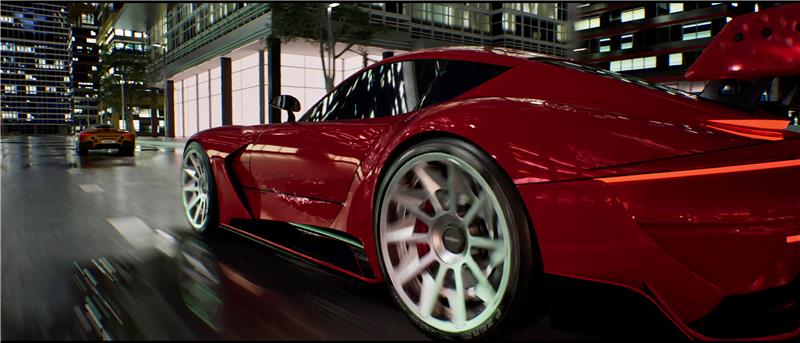
AMD FSR Ray Regeneration 1.1 example
FSR Ray Regeneration performs denoising independently of upscaling, making it a decoupled denoiser. In contrast, denoising and upscaling can also be combined into a single, joint operation. Both approaches are valid, but decoupling denoising into its own dispatch call simplifies adding additional rendered content afterward.
To maximize compatibility and efficiency when denoising your game’s specific workloads, FSR Ray Regeneration provides multiple input/output configurations:
| Configuration | Inputs |
|---|---|
| FSR Ray Regeneration mode: 4 signals | Direct specular, direct diffuse, indirect specular, indirect diffuse |
| FSR Ray Regeneration mode: 2 signals | Fused specular and diffuse |
| FSR Ray Regeneration mode: 1 signal | Fused specular and diffuse into one signal |
AMD FSR Ray Regeneration is designed to work seamlessly with AMD FSR Upscaling and AMD FSR Frame Generation. Additionally, the temporal anti-aliasing provided by FSR Upscaling adds an extra layer of smoothing when used alongside FSR Ray Regeneration.
AMD FSR Ray Regeneration performance may vary depending on your target hardware and configuration.
| Target Render Resolution | Milliseconds (ms) |
|---|---|
| 960x540 | 1.13 |
| 1920x1080 | 4.09 |
| 2560x1440 | 7.72 |
| Target Render Resolution | Milliseconds (ms) |
|---|---|
| 960x540 | 0.94 |
| 1920x1080 | 3.33 |
| 2560x1440 | 6.34 |
| Target Render Resolution | Milliseconds (ms) |
|---|---|
| 960x540 | 0.78 |
| 1920x1080 | 2.63 |
| 2560x1440 | 5.18 |
Performance figures are accurate at the time of writing for an AMD Radeon™ RX 9070 XT GPU and are subject to change.
Supported GPUs
Supported graphics APIs
Supported OS
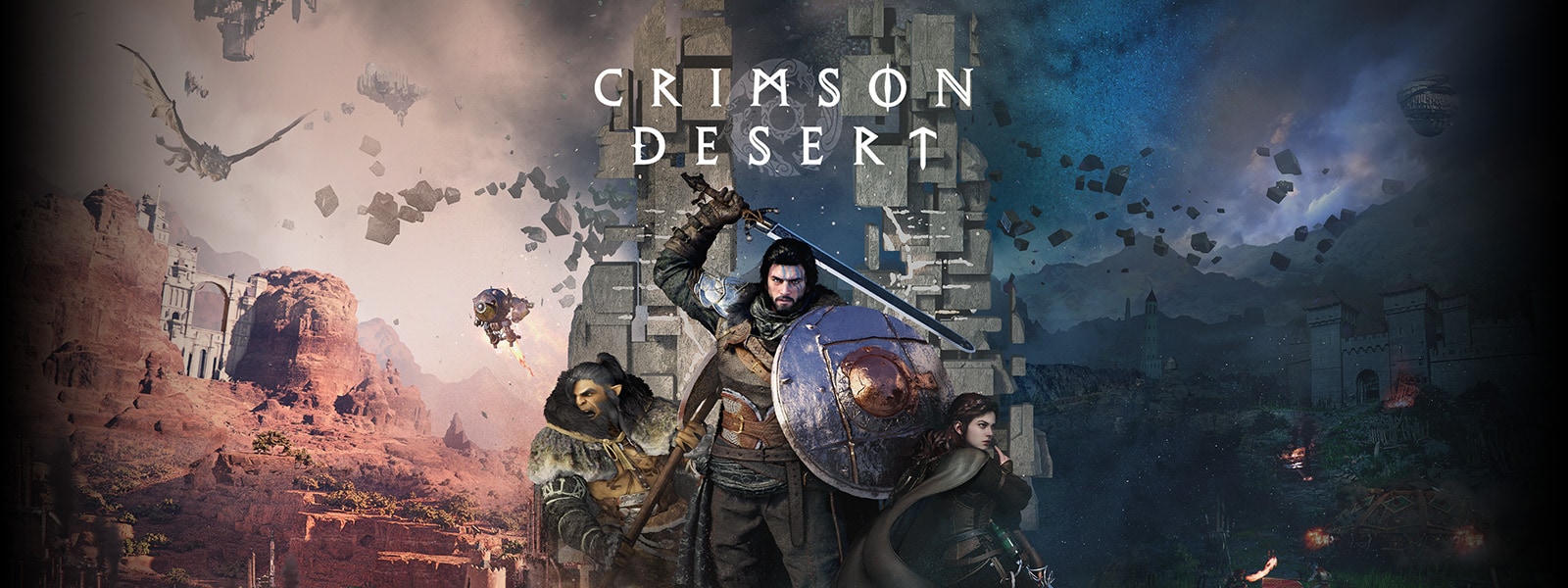
Crimson Desert © 2025-2026 Pearl Abyss Corp. Crimson Desert is a trademark of Pearl Abyss. All rights reserved.
DirectX and Windows are trademarks of the Microsoft group of companies.
AMD FSR Ray Regeneration 'Redstone' 1.1.0 release (as part of the AMD FSR SDK 2.2 release):
ffxDispatchDescDenoiserDebugView (ffx::DispatchDescDenoiserDebugView)
FfxApiDenoiserSettings is replaced with: FfxApiConfigureDenoiserKeyffxConfigureDescDenoiserSettings (ffx::ConfigureDescDenoiserSettings) is replaced with: ffxConfigureDescDenoiserKeyValue (ffx::ConfigureDescDenoiserKeyValue)ffxQueryDescDenoiserGetDefaultSettings (ffx::QueryDescDenoiserGetDefaultSettings) is replaced with: ffxQueryDescDenoiserGetDefaultKeyValue (ffx::QueryDescDenoiserGetDefaultKeyValue)
ffxDispatchDescDenoiser::motionVectorScale is now FfxApiFloatCoords3D instead of FfxApiFloatCoords2D.ffxDispatchDescDenoiser::diffuseAlbedo is now unused.ffxDispatchDescDenoiser::specularAlbedo is now unused.ffxDispatchDescDenoiserInput1Signal::fusedAlbedo is now unused.
ffxDispatchDescDenoiserInput4Signals::indirectSpecularRadiance::inputffxDispatchDescDenoiserInput2Signals::specularRadiance::inputffxDispatchDescDenoiserInput1Signal::radiance::input