
AMD FSR SDK
AMD FSR™ SDK v2.2 is the launchpad for our ML-based FSR "Redstone" rendering technologies, inc. AMD FSR Upscaling, Frame Generation, Ray Regeneration, and Radiance Caching.

Real-time graphics rendering has reached an inflection point. Ray-traced lighting, physically-based materials, and complex animation systems are now fundamental requirements for modern game realism. Yet delivering these experiences across the broad spectrum of gaming hardware available today, from handheld gaming APUs to high-end desktop GPUs, presents significant technical challenges.
The core problem is straightforward: traditional rendering pipelines don’t scale efficiently. As fidelity requirements increase, so does computational complexity. This forces developers to tradeoff between visual quality and performance targets. This challenge becomes especially difficult when targeting diverse hardware configurations across PC, console, handheld, and other gaming platforms.
Neural rendering represents a fundamental shift in how we approach these constraints. By leveraging machine learning (ML) inference directly in the rendering pipeline, we can achieve quality levels that would be computationally prohibitive through traditional analytical methods alone. This approach preserves artist intent while extending that vision across every tier of supported hardware.
Today, we’re releasing the AMD FSR™ “Redstone” SDK to put these capabilities directly in developers’ hands. “Redstone” provides implementations of our neural rendering technologies that will define the next generation of real-time rendering.
AMD FSR™ “Redstone” delivers four neural rendering features optimized for AMD RDNA™ 4 architecture graphics cards (AMD Radeon™ RX 9000 series). While the ML-powered features require RDNA 4 architecture-based hardware, analytical fallback modes for select features support RDNA 3.5 architecture and earlier graphics. All features are available now through our latest AMD FSR SDK update, the new designation for the AMD FidelityFX™ SDK.
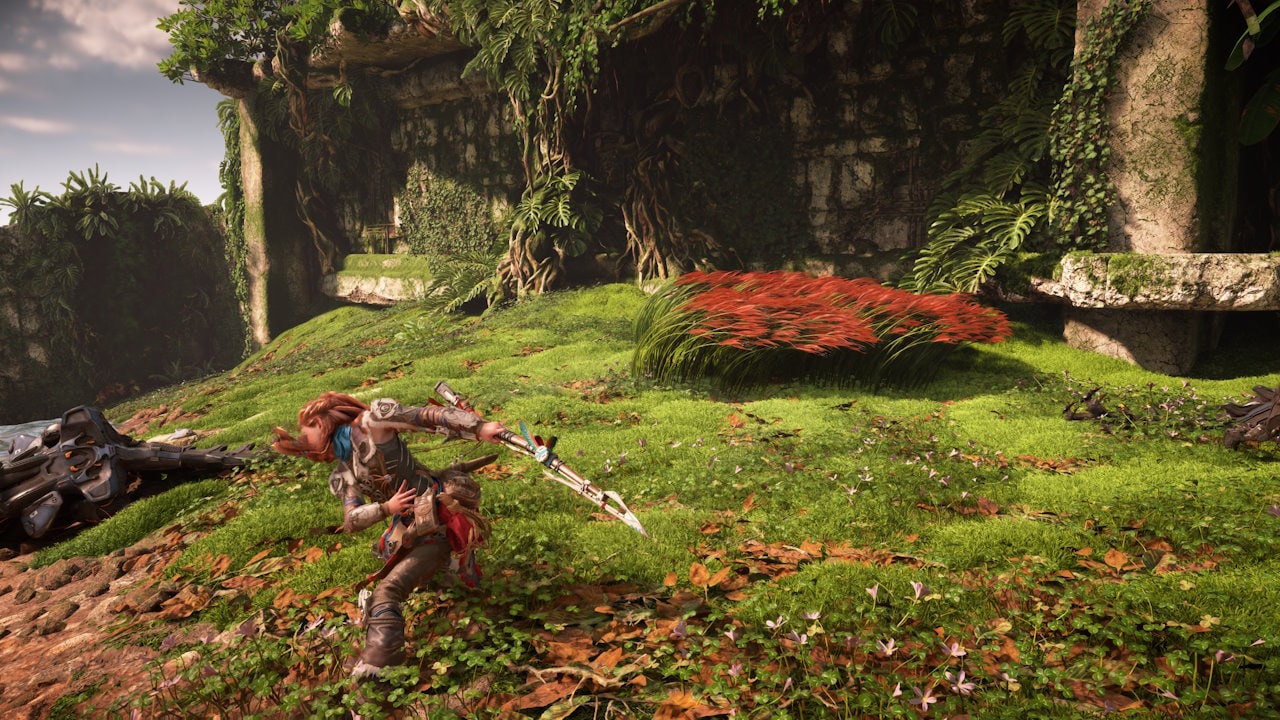
Upscaling technology enables developers to deliver high-fidelity experiences at high frame rates across the entire spectrum of graphics hardware, from mainstream to enthusiast. Our ML-powered upscaler (formerly AMD FidelityFX™ Super Resolution 4) uses neural networks to reconstruct visuals from lower-resolution frames that match or exceed native rendering quality, delivering a substantial boost in game performance.
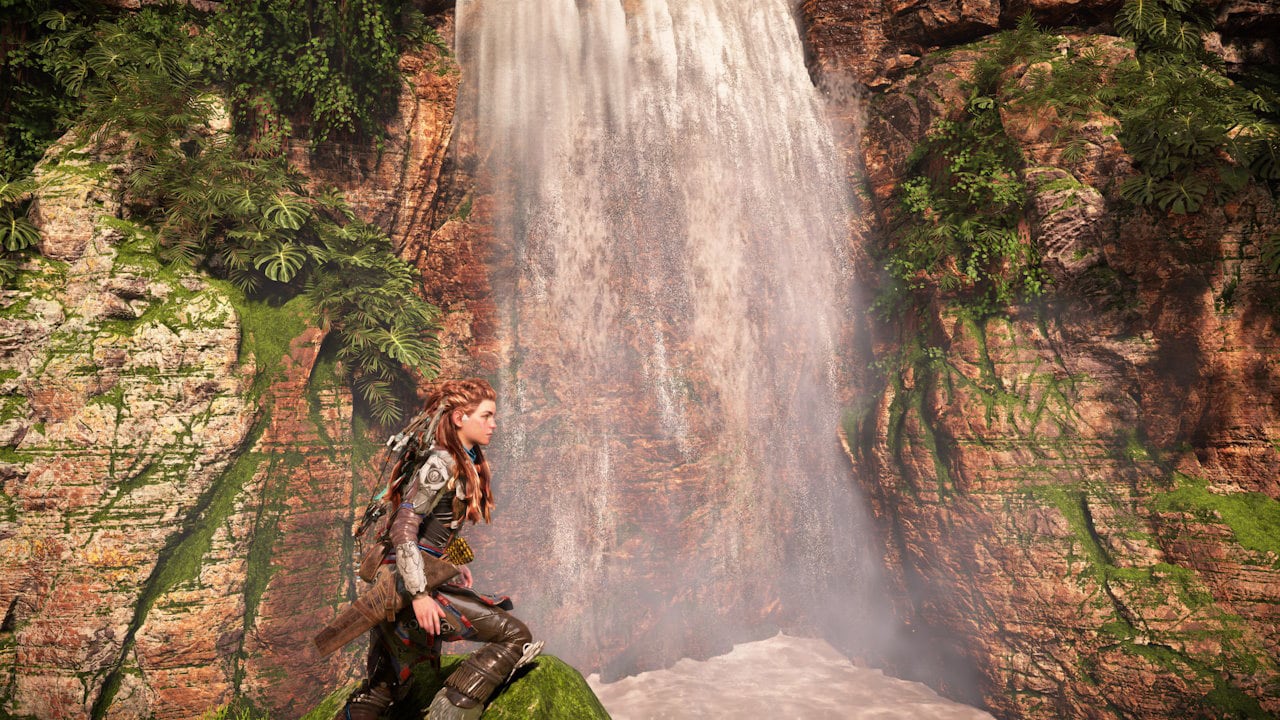
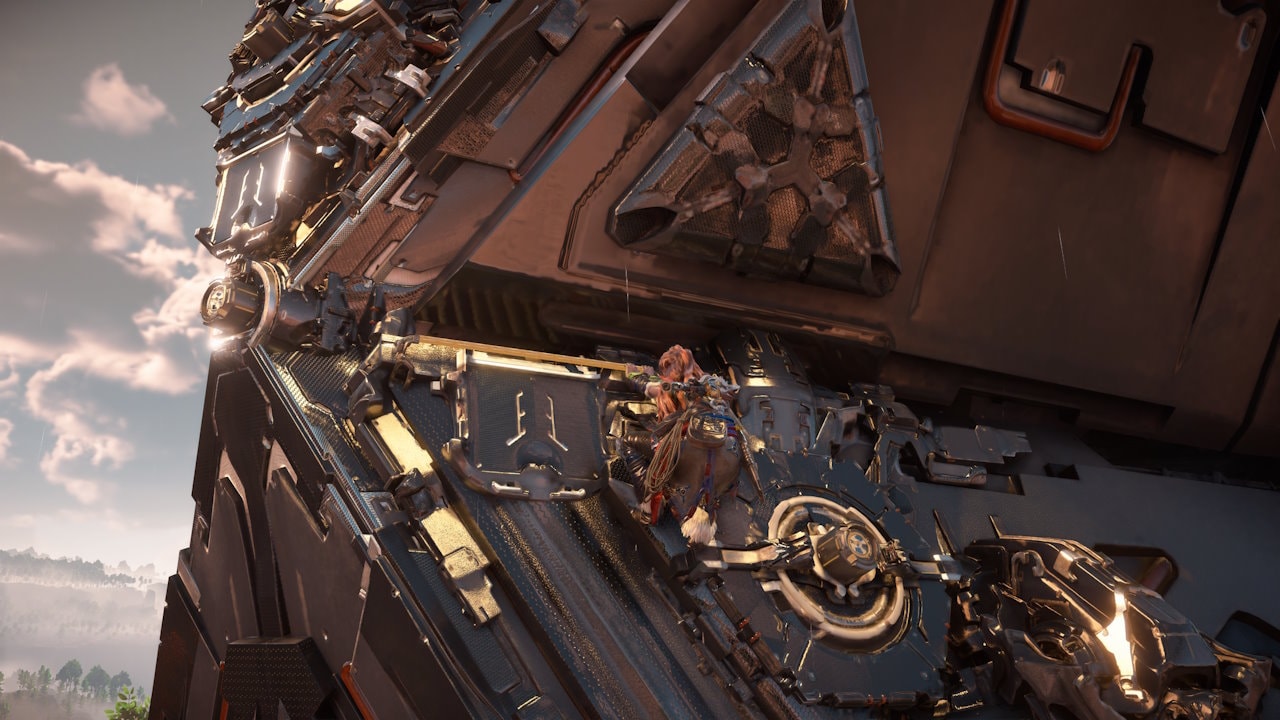
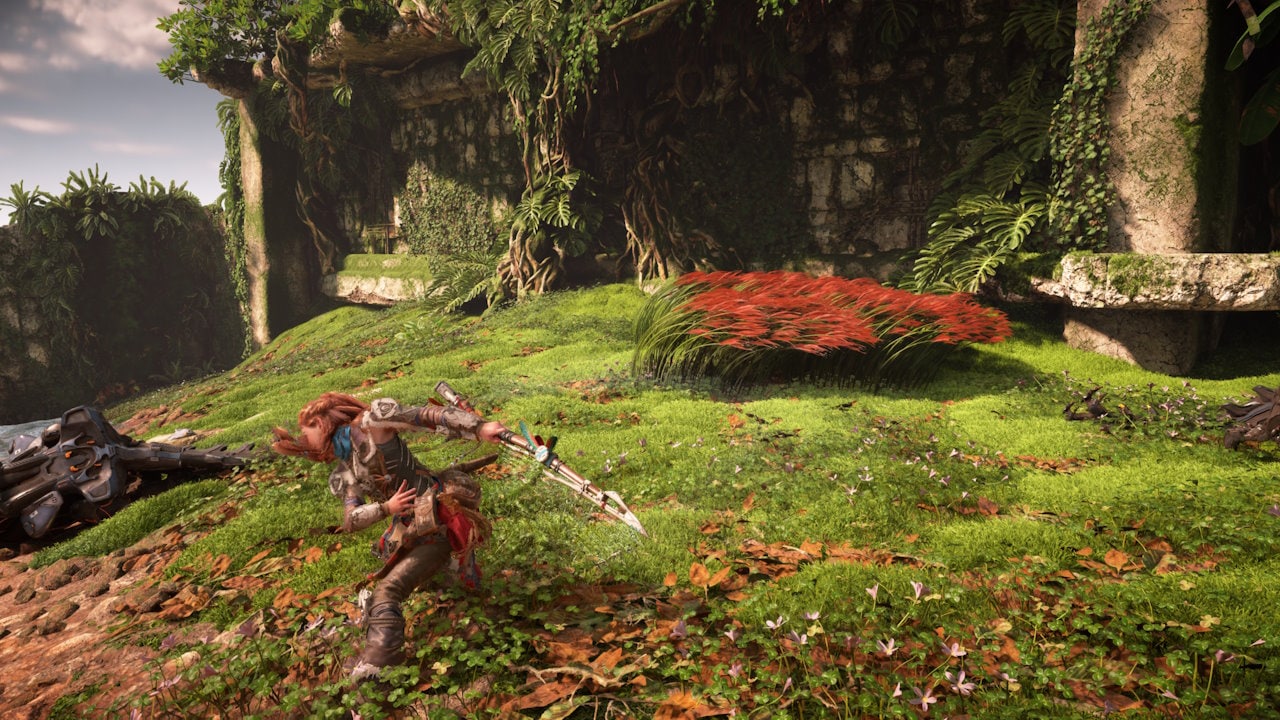
Horizon Forbidden West™ Complete Edition FSR Frame Upscaling example
Trained on millions of high-quality captures from modern games using large-scale AMD Instinct™ GPU compute clusters, AMD FSR™ Upscaling is designed to power next-generation gaming experiences. FSR Upscaling leverages dedicated ML acceleration in RDNA 4 architecture graphics cards for optimal performance. Backward compatibility is maintained through analytical upscaling paths for RDNA 3.5 architecture and earlier hardware, ensuring broad support across the AMD ecosystem.
Learn more about AMD FSR Upscaling
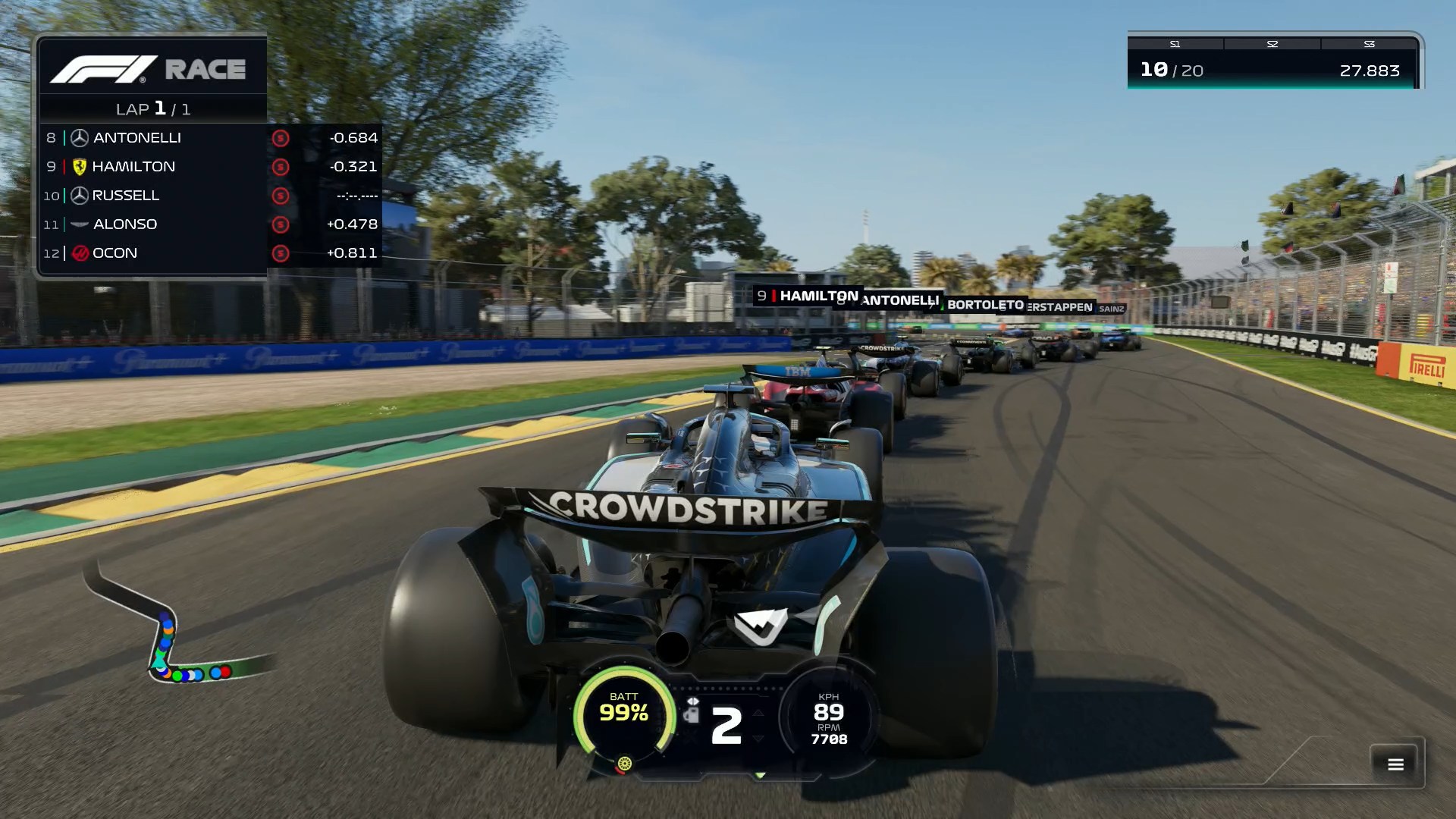
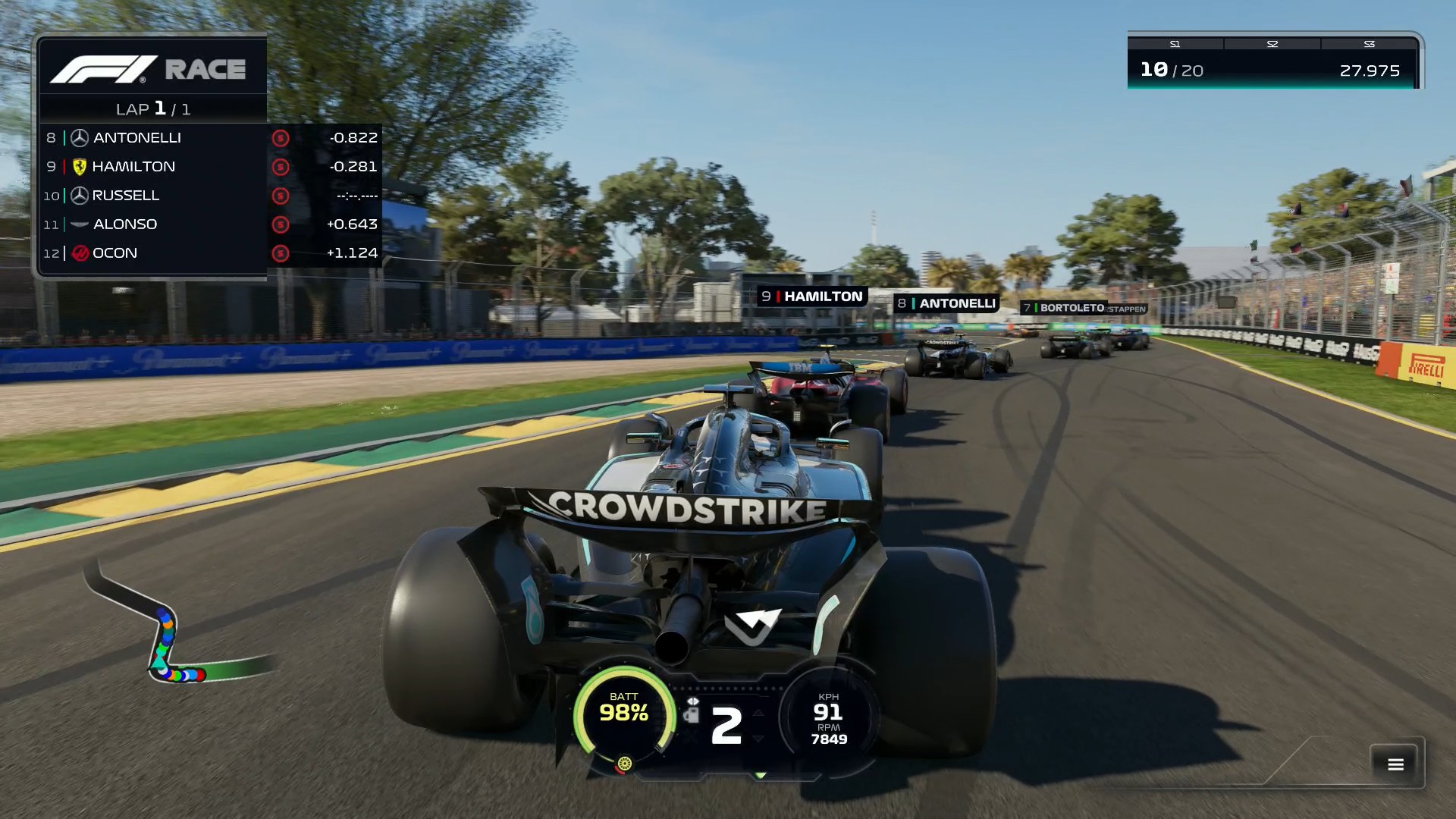
Originally introduced with AMD FSR™ 3, Frame Generation uses interpolation across rendered frames to help developers achieve higher target frame rates without the computational cost of rendering every frame, thus improving perceived performance. Now upgraded with an ML-based approach, it delivers a higher visual frame rate with smoother motion. The neural approach significantly reduces artifacts common in analytical interpolation such as ghosting and motion discontinuities to keep gamers immersed in the action.
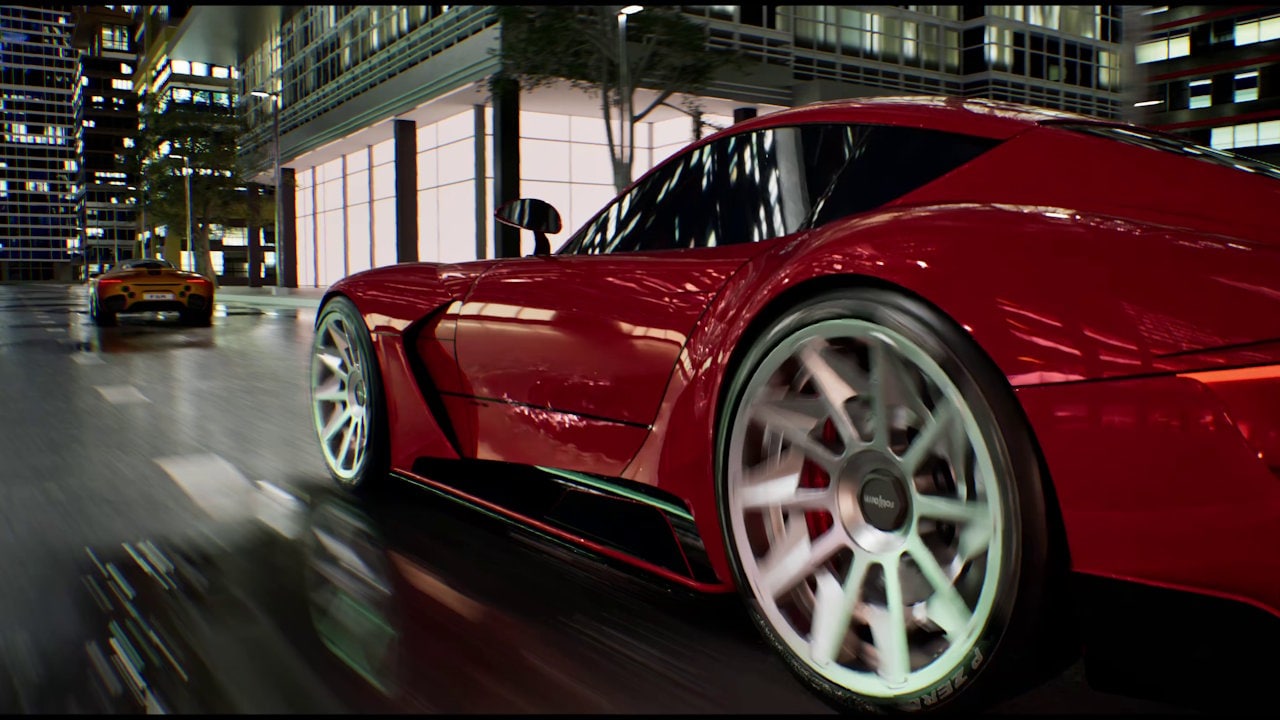
F1® 25 AMD FSR Frame Generation example
The ML-based technology takes the previous and current rendered frames, along with known depth and motion vectors as inputs to the ML model. We use optical flow estimation plus the motion vectors to understand how objects are moving from frame to frame. Inside the ML network, we predict per-pixel motion and appearance, then blend that with motion vector reprojection to generate a new in-between frame. The model predicts the color of the generated frame, informed by both temporal context and motion information. The outcome is a new frame that is consistent with the previous and next frames, helping to maintain smooth motion without major artifacts.
ML-based AMD FSR™ Frame Generation requires RDNA 4 architecture graphics, but the analytical version is still included for backward compatibility with RDNA 3.5 architecture and older GPUs. For best results, it should be used in your games with the AMD Radeon™ Anti-Lag 2 SDK to minimize the latency that frame generation inherently introduces.
Learn more about AMD FSR Frame Generation
Ray and path tracing deliver unprecedented visual fidelity, but the computational cost often forces developers to reduce ray counts or limit ray tracing (RT) effects to maintain performance targets. An effective denoiser changes this equation by enabling high-quality results from significantly fewer rays, making RT features viable across a broader range of hardware configurations.
AMD FSR Ray Regeneration example
AMD FSR™ Ray Regeneration introduces a standalone, machine learning-powered real-time denoiser that integrates seamlessly with any game engine. Designed for broad compatibility, it enables developers to achieve high-quality ray-traced visuals without being tied to a specific rendering framework. Requiring RDNA 4 architecture graphics, it works best when combined with other FSR “Redstone” technologies to deliver dynamic and more natural illumination without the traditional performance penalties.
Learn more about AMD FSR Ray Regeneration
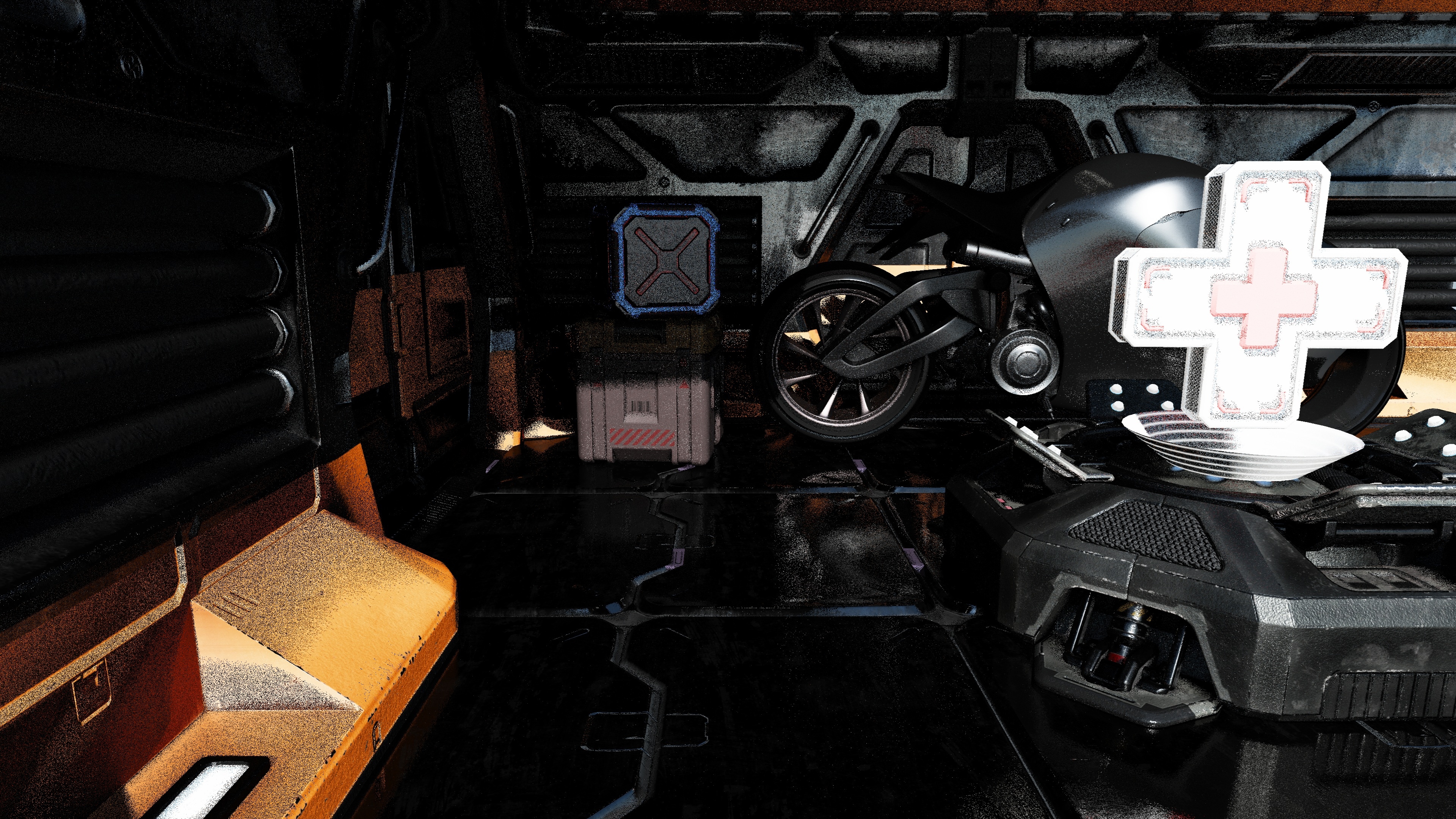
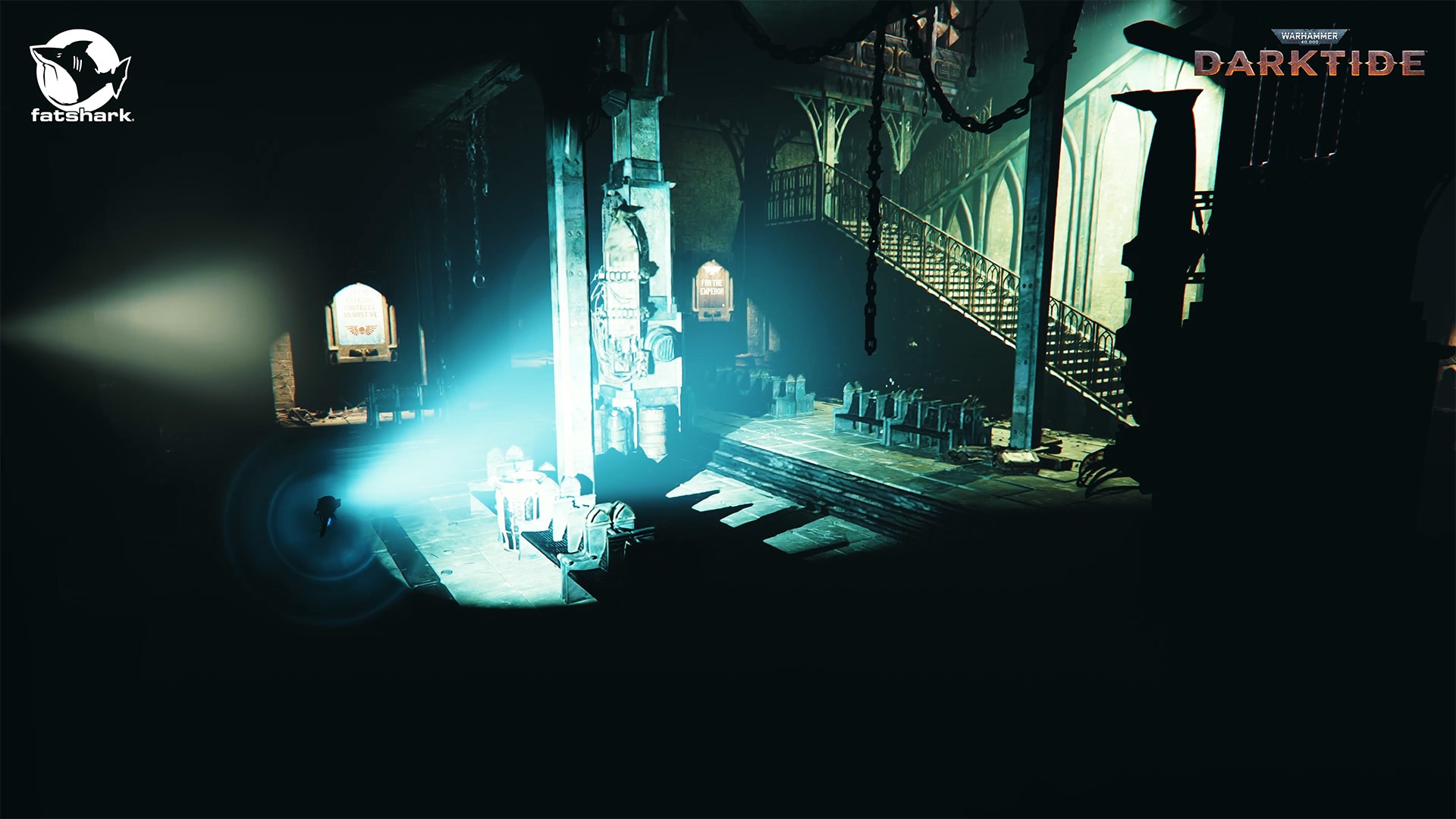
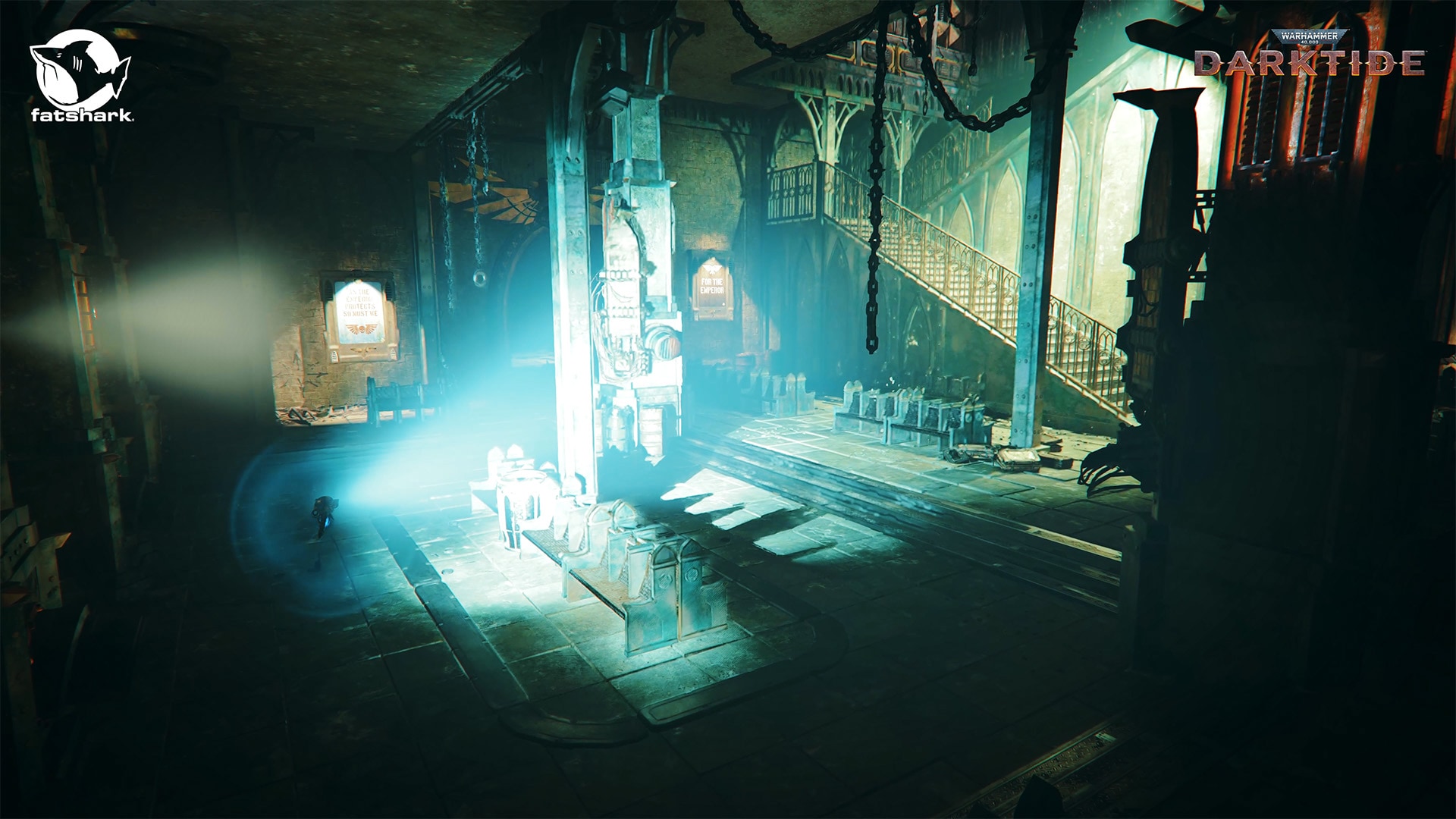
Global illumination (GI) via path tracing requires many ray samples for pixel radiance convergence, making it computationally expensive for gaming applications. AMD FSR™ Radiance Caching predicts light propagation through a scene based on sparse path-traced samples, replacing many secondary ray bounces with learned predictions. By training a neural network to dynamically learn the scene’s radiance distribution in real time, this technology delivers efficient GI results with dramatically reduced computational costs, helping enable high-performance path tracing in games.
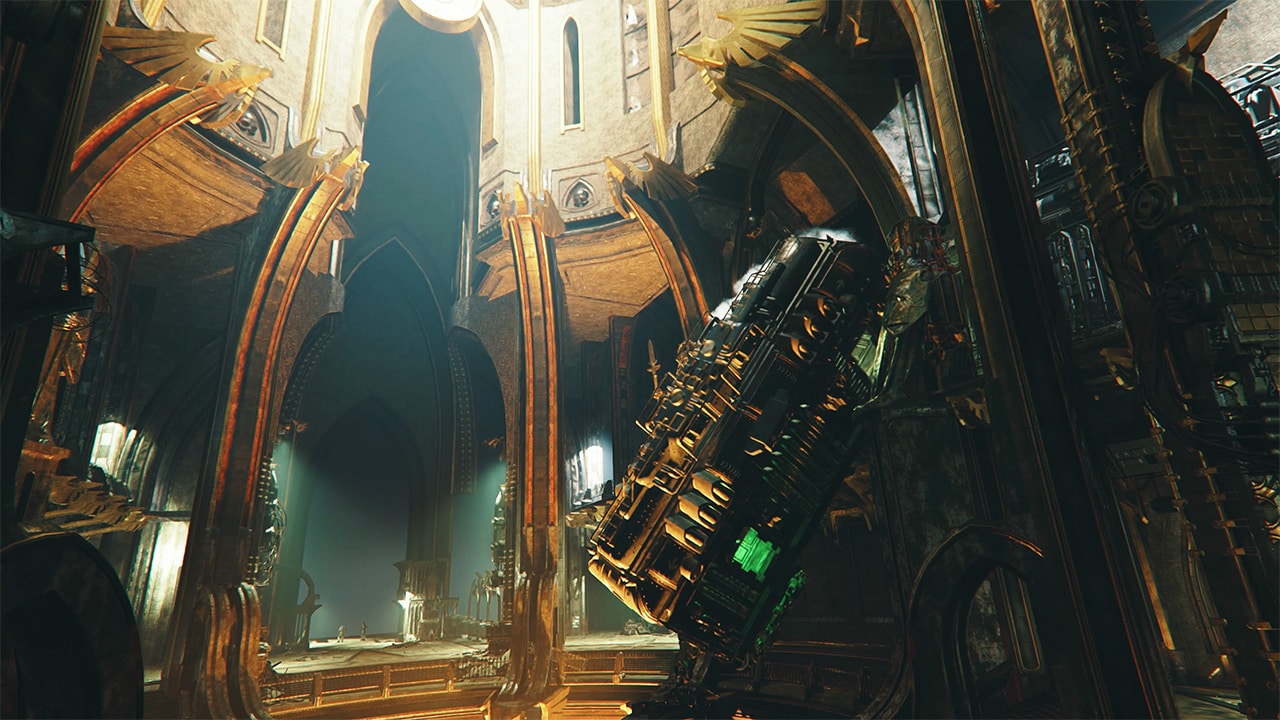
Warhammer 40,000: Darktide AMD FSR Radiance Caching demo example
FSR Radiance Caching is now available as a technical preview in the FSR “Redstone” SDK, allowing developers to evaluate and experiment with ML-powered NRC technology on RDNA 4 architecture graphics cards. The AMD Software: Adrenalin Edition™ 25.12.1 driver is required to use the preview. You can also view a example of FSR Radiance Caching in the images above, where it is integrated into the Stingray game engine by Fatshark.
Learn more about AMD FSR Radiance Caching
Along with the AMD FSR “Redstone” technologies above, we are also releasing an update to the AMD FSR plugin for Unreal® Engine 5.2 up to 5.7 (formerly the AMD FidelityFX™ Super Resolution 4 (FSR 4) Unreal Engine plugin).
This update now includes ML-based FSR Frame Generation for RDNA 4 architecture graphics cards. A Radeon Anti-Lag 2 plugin is also available for Unreal Engine. Both plugins allow you to easily integrate our technologies into your Unreal Engine 5 project.
AMD Radeon Anti-Lag 2 Unreal Engine plugin
With this release, we’re streamlining our branding to better serve both developers and gamers. Since 2019, our suite of AMD FidelityFX™ technologies has grown to encompass numerous technologies, with AMD FidelityFX Super Resolution becoming so widely adopted that it’s universally known as “AMD FSR.” We’re now unifying all our technologies under the AMD FSR™ brand, replacing the AMD FidelityFX naming convention.
This simplified branding makes it easier for developers to implement these features in game UI and for players to immediately recognize and enable them. The AMD FSR name now encompasses existing technologies like upscaling and frame generation, as well as all new solutions in the FSR “Redstone” release and beyond.
Older technologies, such as AMD FSR 3 and others found in the AMD FidelityFX SDK v1 will retain their original branding.
Our roadmap for neural rendering extends well beyond today’s release. FSR Radiance Caching launches today in technical preview, with the production release scheduled for 2026, and we’ll continue delivering regular updates to all FSR “Redstone” technologies throughout the year. This commitment to continuous improvement reflects how we’ve always approached developer tools and libraries.
Our advanced graphics research provides developers with early insights into technologies that may define future rendering pipelines. Published research on GPUOpen includes Neural Supersampling and Denoising (NSSD), our Generative AI model for Global Illumination (GGI), and AMD Dense Geometry Format (DGF). These papers offer developers practical knowledge about emerging techniques, helping teams prepare for the evolution of real-time graphics.
While we can’t detail specific future AMD FSR solutions today, our research pipeline and industry partnerships such as those with Microsoft, Sony, and Epic Games ensure that developers will have the tools they need to create the next generation of visually stunning, performant games.
The AMD FSR™ “Redstone” SDK is available today, delivering the neural rendering technologies that will define the next generation of gaming experiences. By integrating these features, you gain access to ML-powered upscaling, frame generation, denoising, and radiance caching optimized for RDNA 4 architecture GPUs, with analytical fallback modes for upscaling and frame generation to ensure your games scale seamlessly across the entire AMD ecosystem.
This means you can ship one implementation that enhances experiences for millions of AMD gamers, from handheld gaming devices, game consoles, and gaming PCs with Radeon RX 9000 Series graphics cards. Download the SDK today and join us in pushing the boundaries of what’s possible in real-time rendering, because the future of gaming isn’t just about raw performance, it’s about intelligent rendering that scales and adapts to help bring your experiences to all gamers.
Download the AMD FSR “Redstone” SDK
Download the AMD Software: Adrenalin Edition™ 25.12.1 driver
Discuss and get help with AMD FSR “Redstone” on the AMD Developer Community
GD-187C: AMD FSR versions 1, 2, 3, 4 and FSR “Redstone” are available on select games which require game developer integration and are supported on select AMD products. AMD does not provide technical or warranty support for AMD FSR enablement on other vendors’ graphics cards. See https://www.amd.com/en/technologies/fidelityfx-super-resolution for additional information. GD-187C
F1® 25 Game - an official product of the FIA FORMULA ONE WORLD CHAMPIONSHIP. © 2025 Electronic Arts Inc. EA SPORTS and Codemasters are trademarks of Electronic Arts Inc.
Horizon Forbidden West™ Complete Edition © 2024 Sony Interactive Entertainment Europe. Developed by Guerrilla. Horizon Forbidden West is a trademark of Sony Interactive Entertainment LLC.
Unreal® is a trademark or registered trademark of Epic Games, Inc. in the United States of America and elsewhere.
Warhammer 40,000: Darktide © Copyright Games Workshop Limited 2022. Darktide, the Darktide logo, GW, Games Workshop, Space Marine, 40K, Warhammer, Warhammer 40,000, 40,000, the ‘Aquila’ Double-headed Eagle logo, and all associated logos, illustrations, images, names, creatures, races, vehicles, locations, weapons, characters, and the distinctive likeness thereof, are either ® or TM, and/or © Games Workshop Limited, variably registered around the world, and used under licence. All rights reserved to their respective owners.