Getting Started
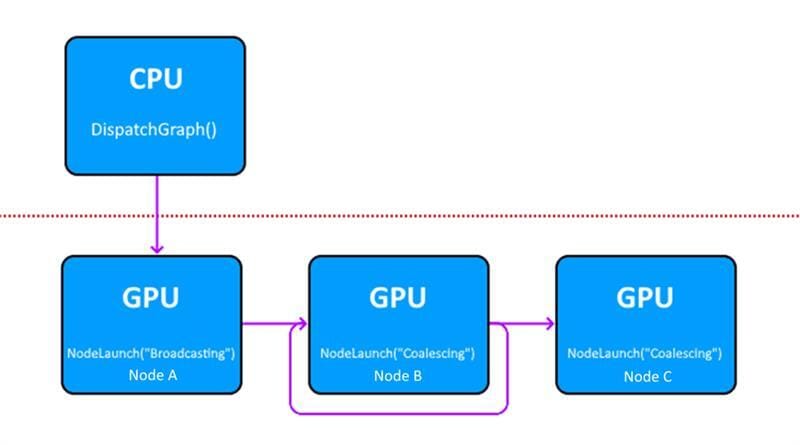
Find out what you need to get started with Work Graphs for DirectX 12, including the software required, configuration, compiling, and more.
Explore our continually-growing library of technical blogs, written by AMD engineers and guest game developers. Benefit from their valuable experience covering general development techniques, developing with AMD hardware, ray tracing, HPC, ML, Vulkan®, DirectX®, Unreal Engine®, and lots more.
Don’t forget – you can find blog posts related specifically to our tools, SDKs, and effects in our software blogs.
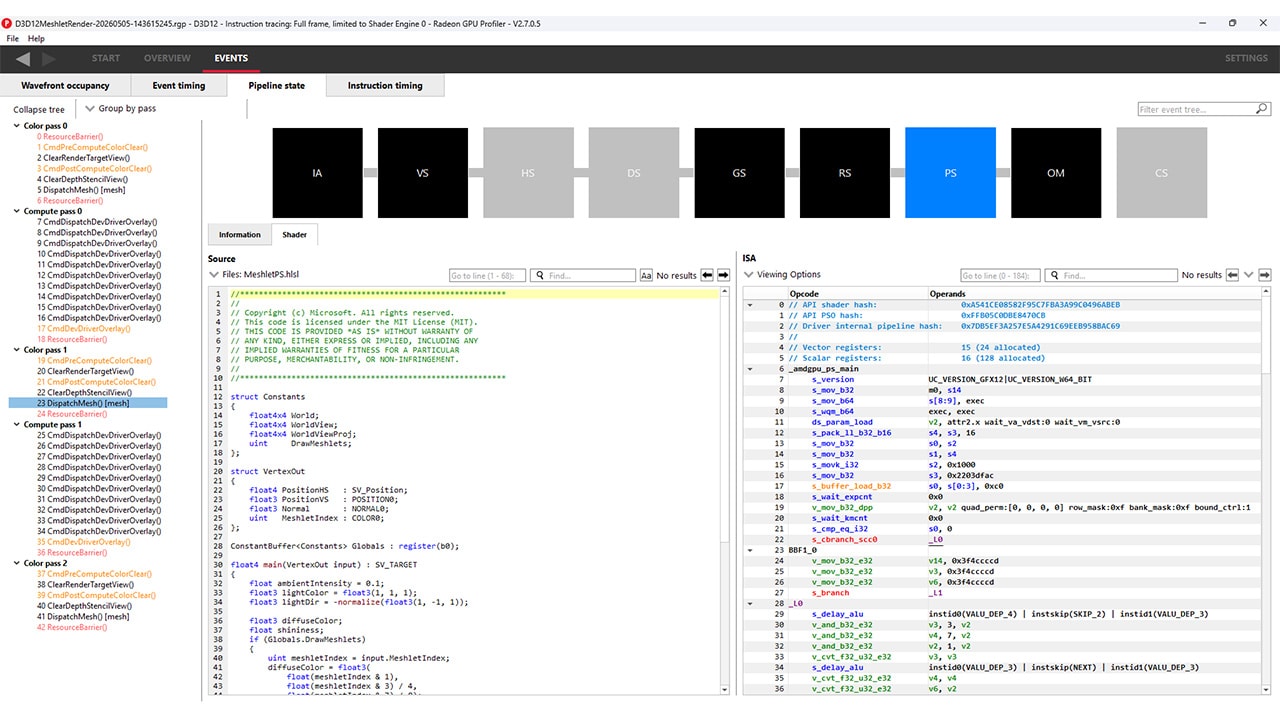
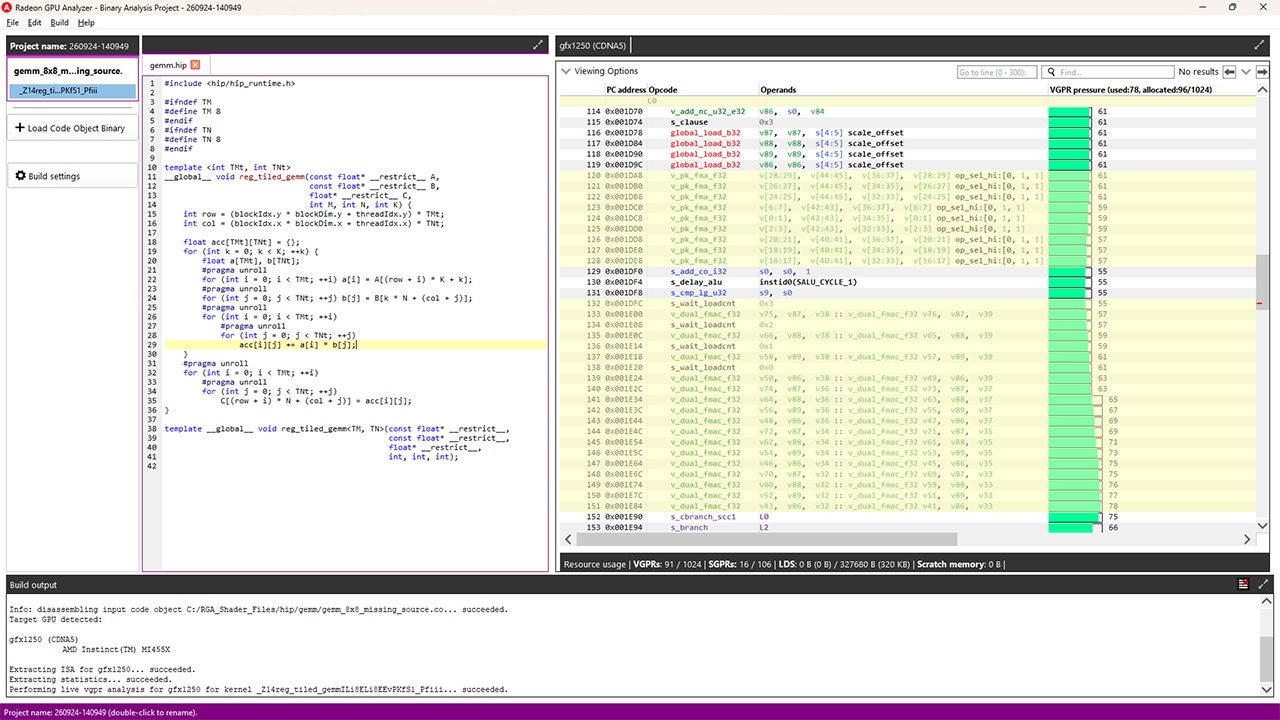 | Source-to-ISA correlation for pre-compiled AMD GPU code objects with RGA 2.15Learn how AMD Radeon GPU Analyzer 2.15 correlates pre-compiled AMD GPU code objects back to source lines, making ISA analysis and optimization far easier. |
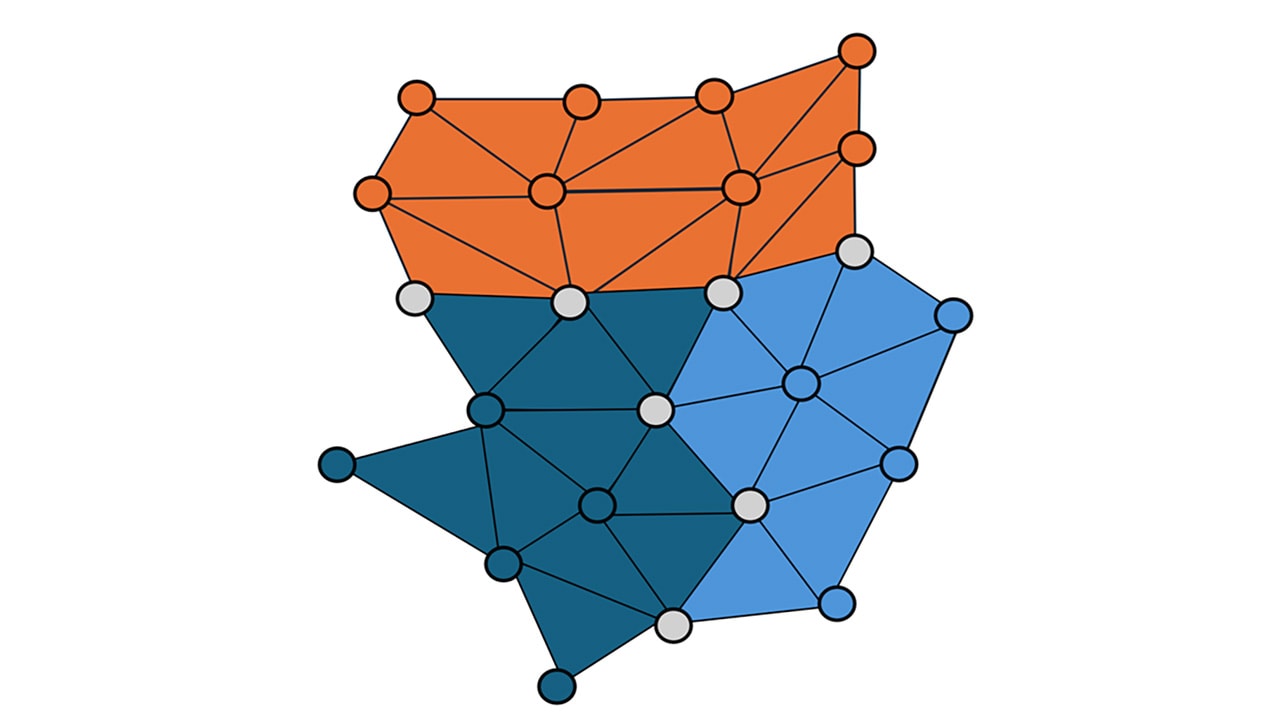
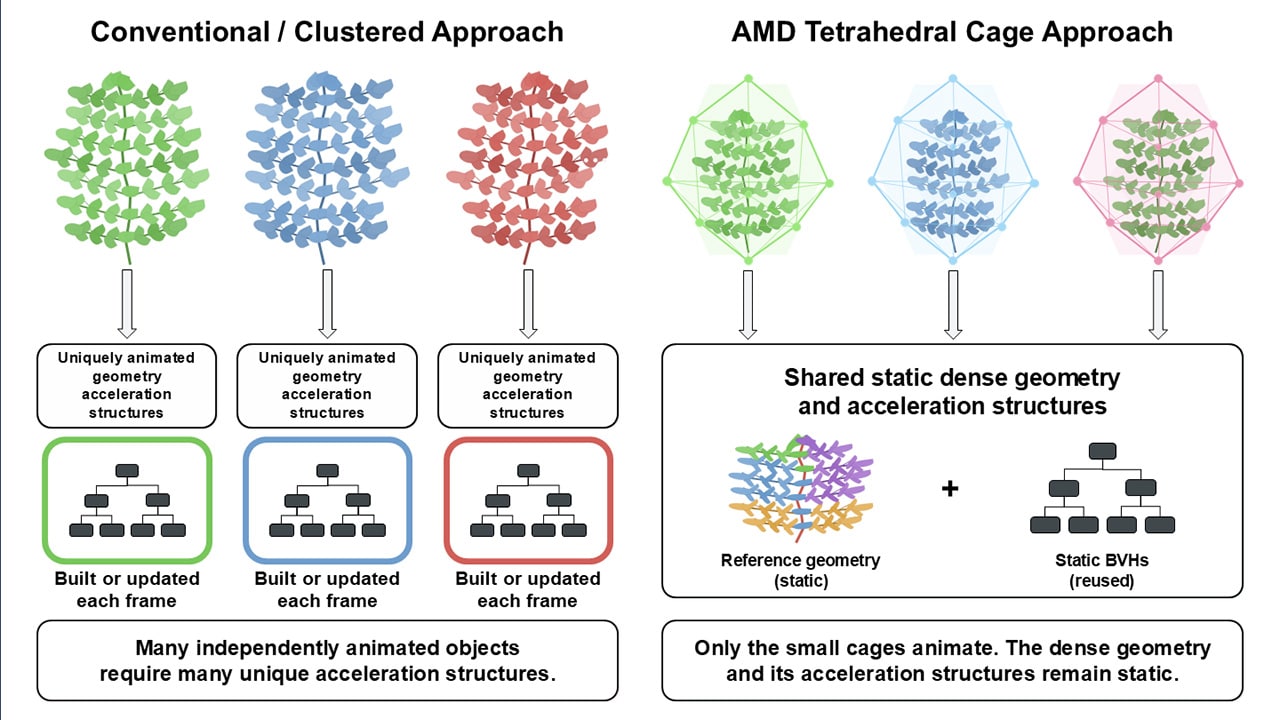 | How tetrahedral cages significantly reduce BVH memory usageThe AMD tetrahedral cage technique ray traces 25,000 independently animated plants at 60+ FPS while slashing BVH memory and update costs for massive dynamic scenes. |
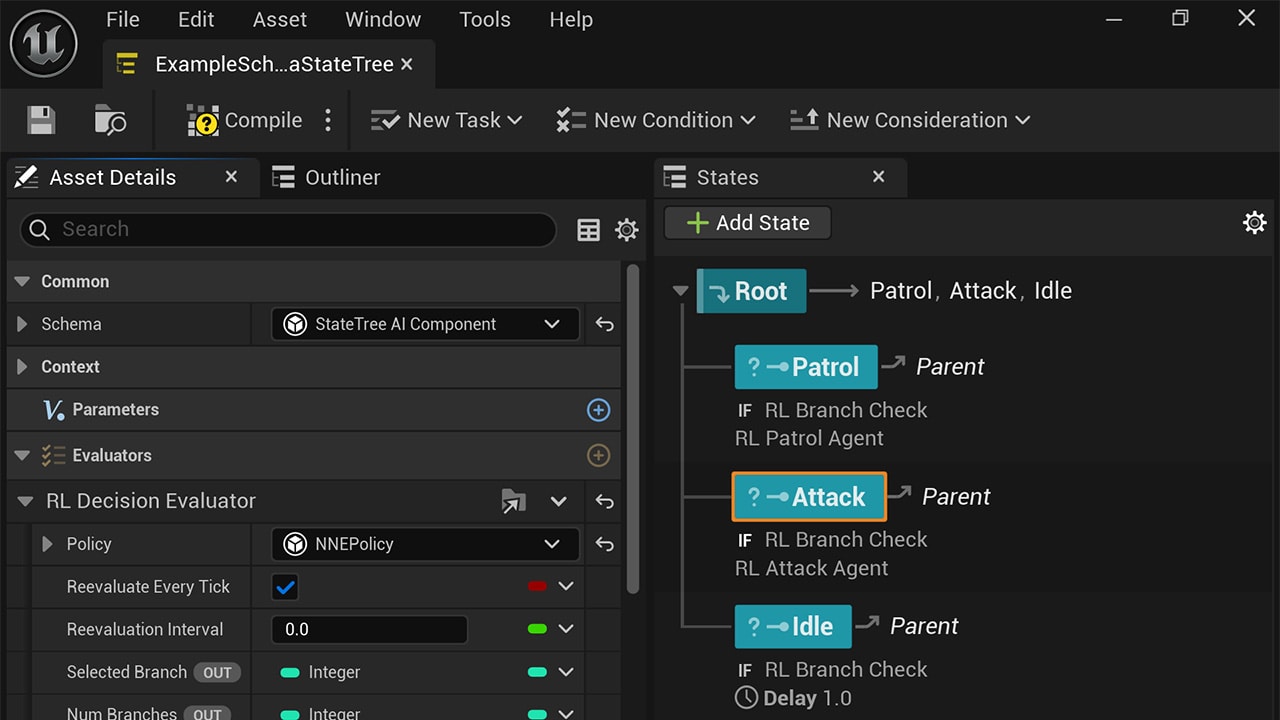
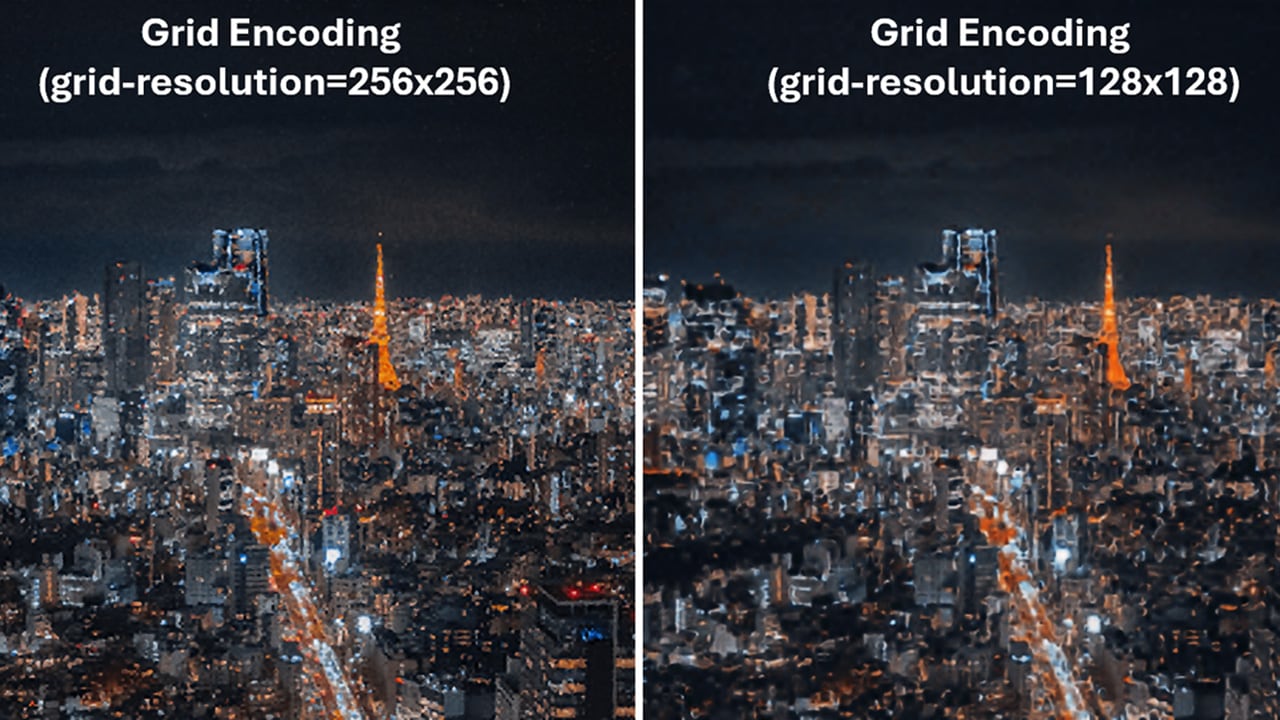 | MiniDXNN v0.4.0: Interactive neural texture compression on DirectX 12MiniDXNN v0.4.0 introduces D3D12 Linear Algebra (SM 6.10) support, input encodings and neural texture compression, plus a real-time GUI app that trains and visualizes GPU-accelerated MLPs on DirectX® 12. |
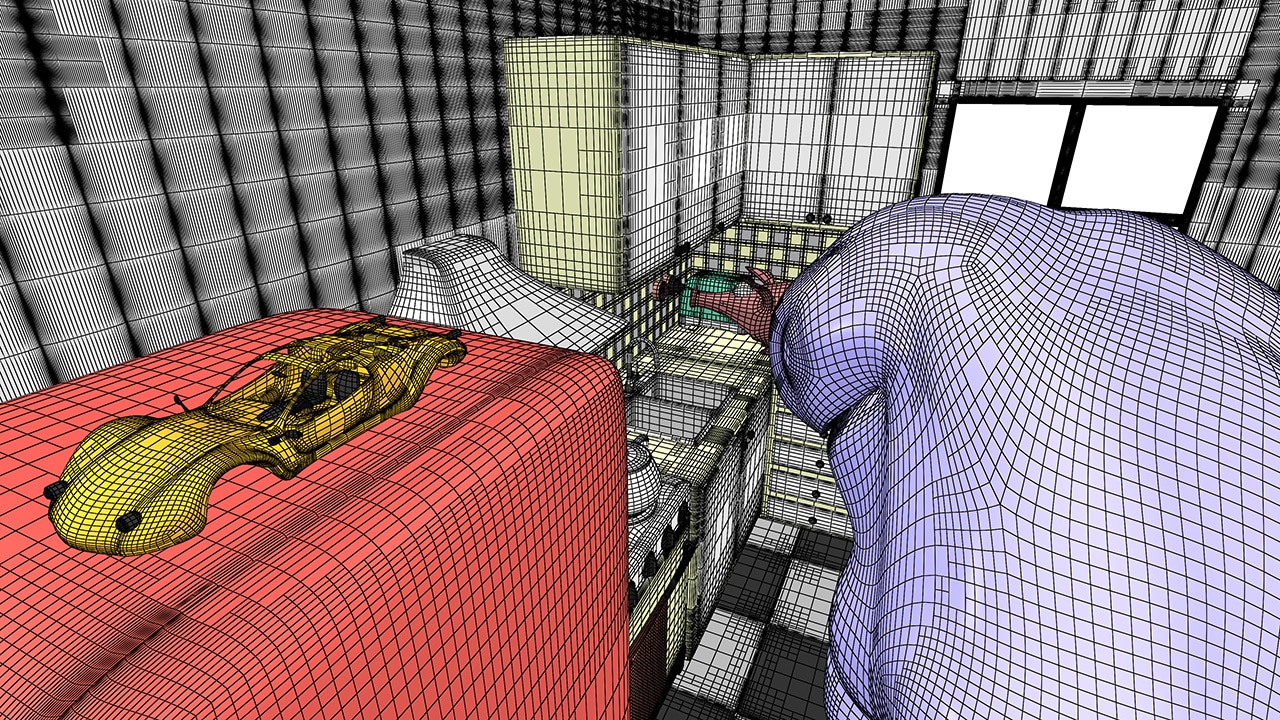 | GPU view-adaptive crack-free subdivision of Bézier surfacesLearn how fast, crack-free GPU work graph subdivision for bicubic Bézier surfaces dramatically reduce triangle counts while simplifying implementation and matching hardware-tessellation quality. |
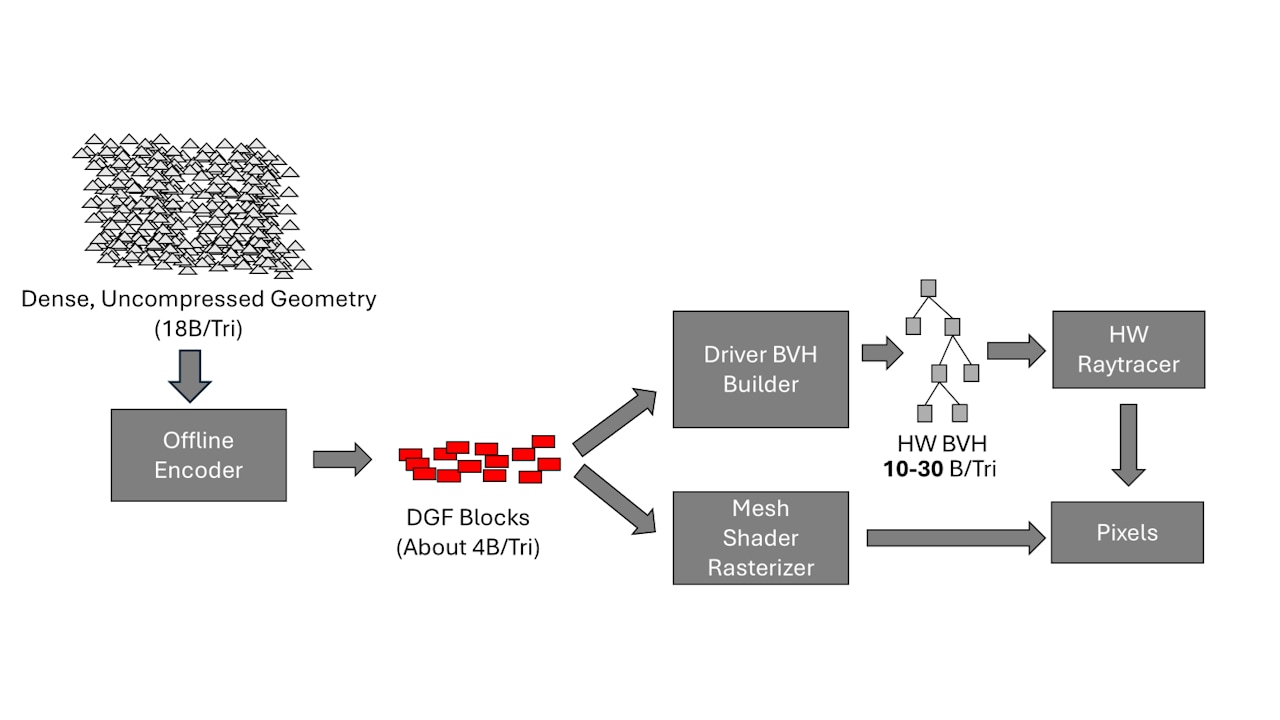
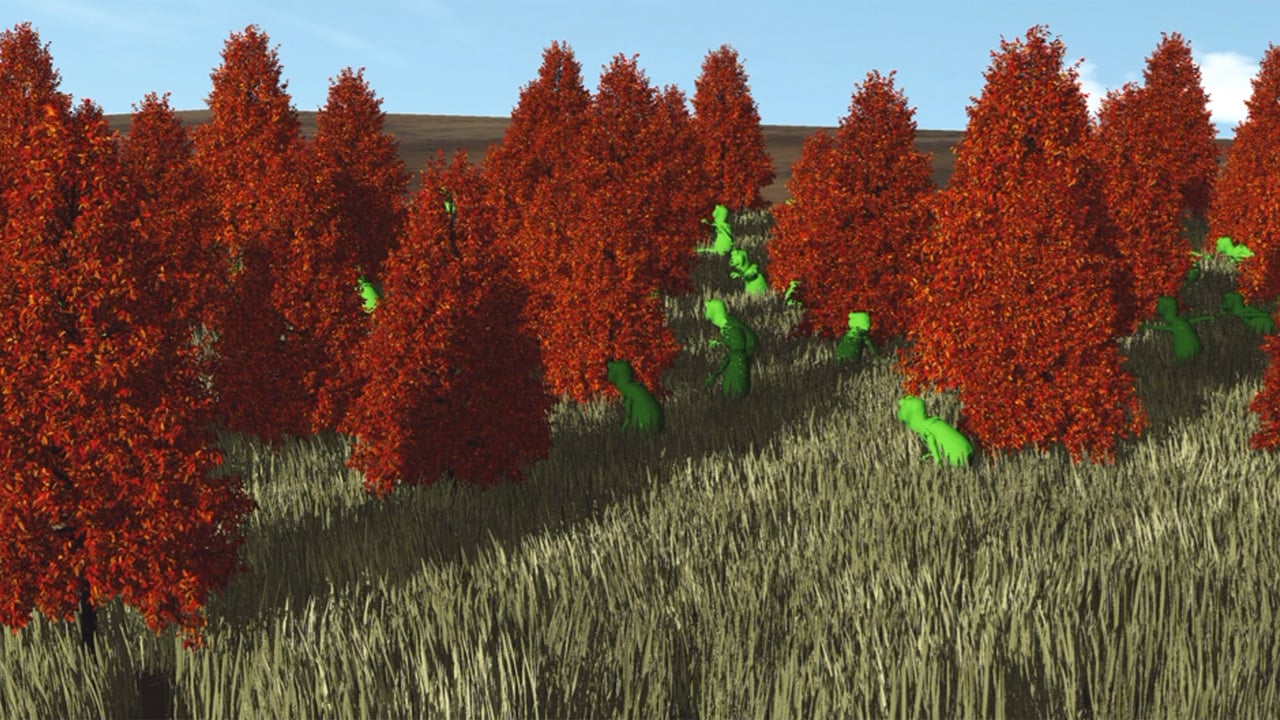 | Ray tracing massive amounts of animated geometry using tetrahedral cagesAnimate compact tetrahedral cages and reuse static mini-BLASes to ray-trace hundreds of millions of triangles in real time, dramatically cutting per-frame update and memory costs for dense foliage, grass, and crowds. |